
Best Concrete Densifier From YUNYAN China Manufacturer and Supplier

  • Product Introduction
Posted by GUANGDONG YUNYAN SPECIAL CEMENT BUILDING MATERIALS CO.,LTD On Oct 18 2025

Product Features:
1. Super wear resistant performance.
2. Abrasion resistance and impact resistance.
3. Good fouling resistance and dust proof performance.
4. Daily maintenance is simple and easy.
5. Ready to use, user friendly
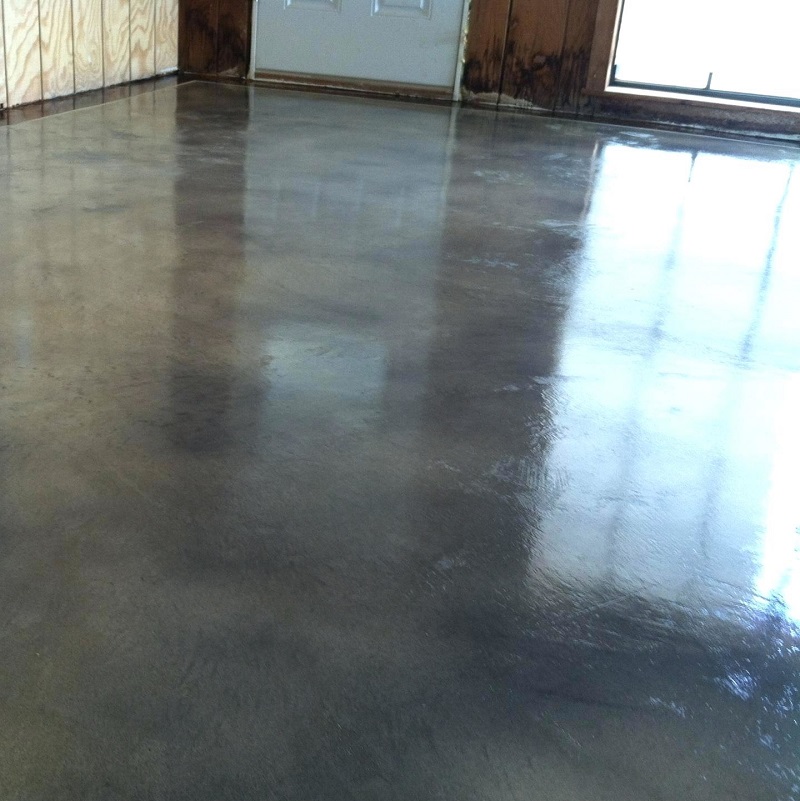
Scope of Application
It is widely applied for the old concrete floor, warehouse, factory, shopping mall,parking lot and heavy industry concrete floor.

Usage: 0.04kg/㎡(two coats)
Material: Lithium based
CAS#
Chemical Name
%

12627-14-4 Lithium-silicate 52%
7732-18-5 water 48%

Packing : 25kg or 50kg/barrel

Technical Data:
Status Liquid form
Color Transparent liquid, Matte after dry
Construction By spray,brush or roll
thinner 5 times of water (1st coat), 6 times of water(2nd coat)
Grinding the floor after YY-125c After apply 1st coat of sealer, grinding the old concrete respectively
with #50, #100,#200,#300,after apply 2nd coat of sealer, grinding
With #500,#800,#1000 and #2000 wet pad for one time by water

VOC g/L <2.0 passed
Pb mg/kg <10 passed
Cd mg/kg <2 passed
Cr mg/kg <2 passed
Hg mg/kg <2 passed
PH value (25℃) 12.2
Moh’s hardness test grade 5
Wear resistant degree % 349%
Shelf life 12 months
Condition on site 5-40℃

YUNYANMIX Concrete densifier is manufactured by YUNYAN company, YUNYANMIX is a well branded one of Top 10 for Concrete densifier and new building chemicals in China, for a best supplier and wholesaler of new building chemicals please go through: http://www.yunyanchina.com
Featured Blogs

Tag:

  • Blog
Share On
Featured Blogs
How Waterproofing Slurry Manufacturers Reinforce Building Protection from the Inside Out

How Waterproofing Slurry Manufacturers Reinforce Building Protection from the Inside Out

Waterproofing slurry is the unseen layer that keeps structures dry, strong, and damage-free. This article explores how modern slurry formulations prevent leakage, resist hydrostatic pressure, and enhance concrete durability—revealing what defines a top-tier waterproofing slurry manufacturer.

Anti-Crack Grout Systems: How Modern Materials Prevent Tile and Joint Failure

Anti-Crack Grout Systems: How Modern Materials Prevent Tile and Joint Failure

Cracks in tile joints are more than cosmetic issues—they indicate structural stress and material fatigue. This article explores how anti-crack grout materials are engineered to absorb movement, resist shrinkage, and maintain surface integrity across flooring, walls, and outdoor installations.

Waterproof Tile Grout Factory: How Advanced Formulation Protects Every Joint

Waterproof Tile Grout Factory: How Advanced Formulation Protects Every Joint

Waterproof tile grout goes beyond aesthetics—it safeguards tile joints from moisture, mold, and structural damage. This article explores how professional factories engineer water-resistant grout, manage quality control, and deliver reliable materials for bathrooms, pools, and exterior walls.

Epoxy Grout Explained: Strength, Chemical Resistance, and Seamless Finishing

Epoxy Grout Explained: Strength, Chemical Resistance, and Seamless Finishing

Epoxy grout stands apart from traditional cement grout with its superior strength, chemical resistance, and color stability. This article explores how epoxy grout works, where it performs best, and what professionals should consider when selecting it for demanding installations.

Shrinkage, Flow, and Bond Strength: The Three Pillars of Modern Cement Grout

Shrinkage, Flow, and Bond Strength: The Three Pillars of Modern Cement Grout

Cement grout must do more than fill gaps—it must resist shrinkage, flow precisely, and maintain bond strength under stress. This article explores how modern formulations achieve balance among these three core properties, shaping durable results across tile installation, facades, and structural filling.

Why Polymer Modified Tile Adhesives Are Essential for Large-Format Tiles

Why Polymer Modified Tile Adhesives Are Essential for Large-Format Tiles

Large-format tiles demand a bonding system capable of managing weight, movement, and temperature shifts. This article breaks down why polymer-modified adhesives outperform traditional mortars, and how they ensure long-term stability across floors, facades, countertops, and renovation projects.