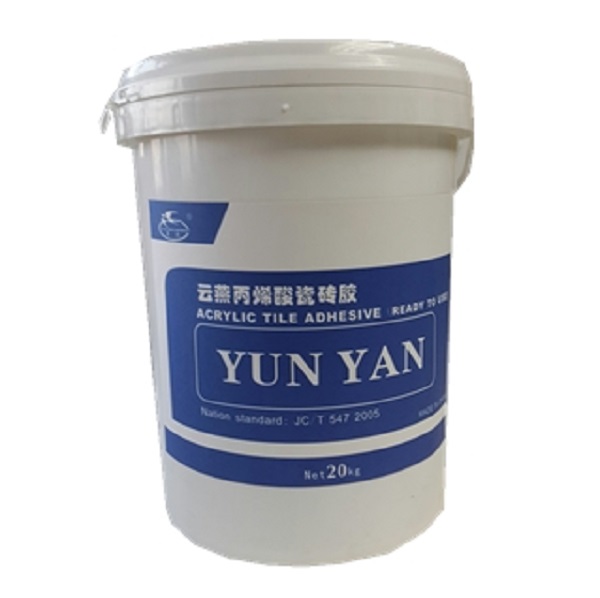

YUNYANMIX Stamped concrete floor is a kind of polymer mortar manufactured by YUNYAN company, YUNYANMIX is a well branded one of Top 10 for Stamp concrete floor and new building chemicals in China, for a best supplier and wholesaler of new building chemicals please go through: http://www.yunyanchina.com
Stamped concrete flooring has become a popular choice for both residential and commercial spaces due to its versatility and aesthetic appeal. This innovative flooring option mimics the look of natural materials like stone, brick, or tile, while offering durability and cost-effectiveness. As a seamless and customizable solution, stamped concrete flooring can transform ordinary concrete into a visually stunning surface that enhances any environment.
Understanding Indoor and Outdoor Applications
Indoor stamped concrete is ideal for areas like basements, garages, or living rooms, providing a polished and resilient floor that withstands daily wear. It can be sealed to resist moisture and stains, making it suitable for high-traffic zones. On the other hand, outdoor stamped concrete excels in patios, driveways, and walkways, where it endures weather elements while maintaining its charm. For instance, outdoor stamped concrete can feature textures that improve traction and prevent slipping, ensuring safety in rainy conditions. According to industry reports, outdoor applications often last up to 25 years with proper maintenance, highlighting their long-term value.
Exploring Popular Styles and Colors
Popular stamped concrete styles include patterns that replicate cobblestone, slate, or wood grain, allowing homeowners to achieve a high-end look at a fraction of the cost. These styles are achieved by pressing molds into freshly poured concrete, creating intricate designs that add character to spaces. Stamped concrete colors play a key role in customization, with options ranging from earthy tones like gray and brown to vibrant hues such as red or blue. For example, a study by concrete associations shows that neutral colors are favored for 60% of projects, as they blend seamlessly with landscapes. This flexibility makes stamped concrete a favorite among designers seeking to match specific themes.
Selecting Suppliers and Manufacturers
Concrete stamp suppliers provide the essential tools and materials needed for high-quality installations, ensuring that patterns are precise and long-lasting. Stamp concrete manufacturers specialize in creating these molds, often using advanced techniques to produce durable products that meet industry standards. Additionally, stamp concrete floor wholesalers offer bulk options for larger projects, making it easier for contractors to source materials affordably. Research indicates that choosing reputable suppliers can reduce project costs by up to 15%, as they provide warranties and expert guidance. Many companies, like those innovating in pavement solutions, emphasize sustainability in their manufacturing processes, using eco-friendly materials that align with modern environmental goals.
Benefits and Maintenance Tips
One of the main advantages of stamped concrete flooring is its low maintenance requirements compared to natural stone, as it resists cracking and fading over time. Regular sealing every few years can extend its lifespan and preserve colors, making it a practical choice for busy households. Experts recommend consulting with professionals to ensure proper installation, which includes preparing the base layer for optimal adhesion. With these considerations, stamped concrete continues to gain popularity, offering a blend of beauty and functionality that suits various budgets and preferences.