
Product Features:
1. 1000%+ elongation tear resistance, single component product.
2. Strong adhesion force and heavy duty load.
3. Wear resistant, excellent waterproofing performance.
4. Chemical resistant and no solvent, low smell
5. Eco friendly and user friendly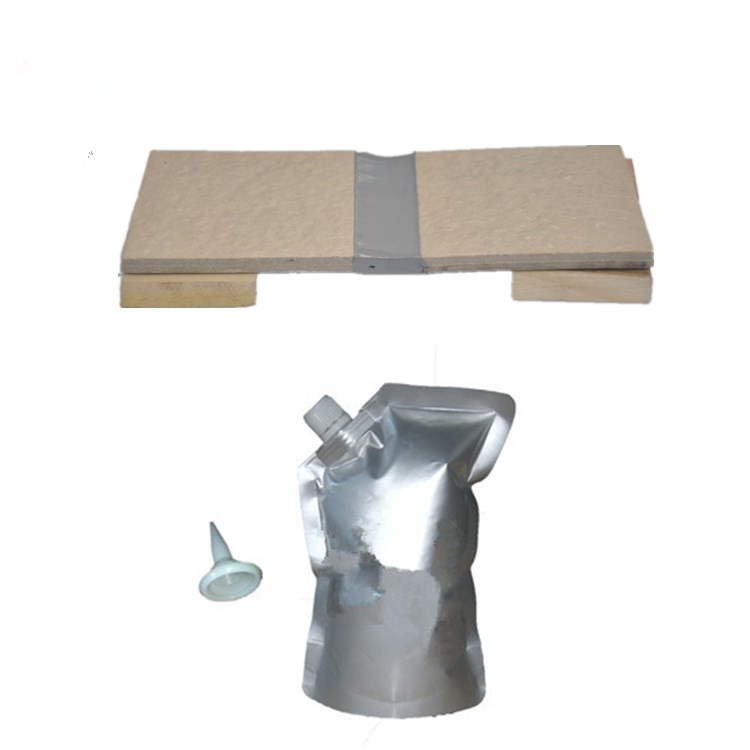
Scope of Application
1.It is applied to sealing joints for roads, airport runways, plazas, wall-to-wall pipes, piers, roofs, underground garages and basement extensions.
2.It is applied to anti-leakage seals in refineries and chemical plants
3.It is applied to epoxy floor and various types of paint and other industrial flooring adhesive seal
4.Excellent bonding and repair of various materials, such as concrete construction, wood, metal,
PVC, ceramic, carbon fiber, glass, etc.
Service : One stop solution package service
Place of origin: Guangdong, China(mainland)
Usage: depends on the width and depth of joints
How to prepare:
1. Substrate surface cleaning: The substrate surface must be sturdy and free of porosity
Object; substrate surface must be dry, prohibited on wet substrate.
2.Surface construction; substrate surface must be clean, such as: no dust, oil, fat, asphalt, tar, paint, wax, rust, impervious agents, curing agents, release agents, and films.
3. Surface cleaning,excavate, cut, polish, clean, clean, wipe, blow wind and other ways to deal with.
How to apply:
1. Construction: Filling glue into the filling equipment, the hose will be out
Inject the glue into the construction joint at the bottom of the construction joint.
2. Reserve space: Because the construction joint will expand and contract with the temperature,
Therefore, the surface of the sealing glue after construction should be 2mm below the road surface.
right.
3. Under the standard state, curing until the time of sticking is about 5 hours.
The time of care depends on external factors such as the construction environment. Standard temperature degree 23±2°C, humidity 55±5%RH.
Notices:
Protection layer construction:
1.cleaning of construction tools: Tools can be soaked in toluene or In xylene,In alcohols and other solvents after use
2. Do not use again after opening for a long time.
3. It should be cleaned by organic solvent.
4. It is forbidden to mix alcohol into the product. If alcohol is mixed into the product, it may cause serious failure of the coating adhesive;
5. Before the film is dry, it should be protected from water, pollution, and damage. Before the film is dried (generally about 24 hours), other construction work must not be performed on it;
6. It is required that the construction environment be well ventilated and some necessary safety precautions be taken; For the construction of special projects, please strictly follow the construction process provided by YUNYAN Company;
7. Unused product should be sealed and stored.
8. Avoid contact with eyes and skin. If in contact with the skin, first scrub with soapy water or alcohol, then rinse with water;If you come in contact with your eyes, flush with plenty of water first and consult a doctor immediately if necessary.
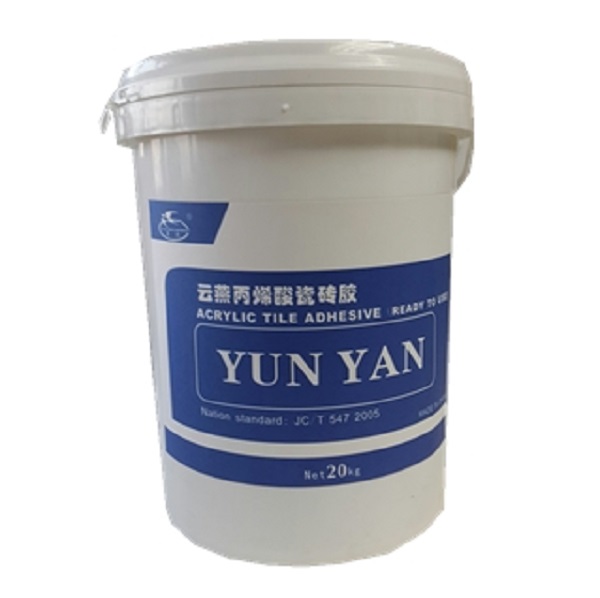
YUNYANMIX polyrethane joint sealant is a kind of polymer mortar manufactured by YUNYAN company, YUNYANMIX is a well branded one of Top 10 for polyrethane joint sealant and new building chemicals in China, for a best supplier and wholesaler of new building chemicals please go through: http://www.yunyanchina.com