

YY-1900 | Inorganic Fireproof Paint
YUNYAN YY-1900 is a water-based inorganic silicate coating for mineral building substrates. The TDS describes an alkali-metal-silicate and colloidal-silica binder system with non-combustible performance, vapor permeability, mineral-substrate compatibility, and resistance to alkali, weathering, and biological growth.
For dependable results, specify Inorganic Fireproof Paint as part of a complete system, verify substrate compatibility, and follow the approved technical data sheet and site trial.
In specification and procurement searches, fireproof paint is the primary product term for this page. Buyers comparing a fireproof paint manufacturer can evaluate technical compatibility, packaging, and project support with YUNYAN. For applications requiring inorganic wall coating, complete a site trial and follow the approved installation method.
Key Features & Benefits
· Forms a protective layer intended to slow heat transfer to the underlying construction substrate.
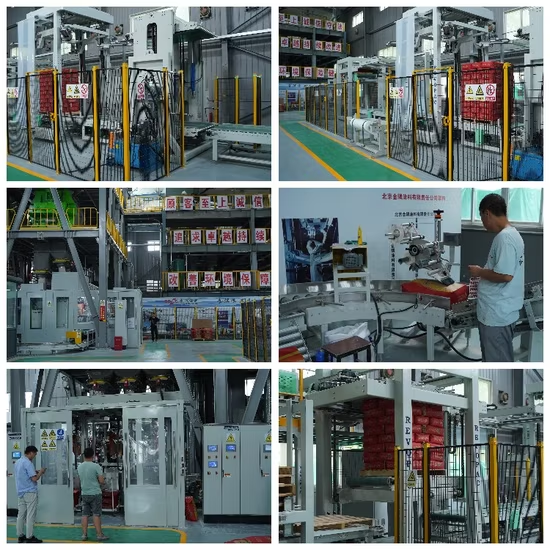
· Designed for professional fire-protection systems on approved concrete, masonry, or steel assemblies.
· Applied as a continuous coating or mortar layer at the specified thickness.
· Suitable for infrastructure, industrial, underground, or building applications according to the approved system.
· Requires trained installation and project-specific verification of substrate, thickness, and fire-resistance design.
Recommended Applications
· Cured concrete and concrete slabs.
· Cement render, masonry, and other mineral building substrates.
· Interior walls requiring a non-combustible inorganic finish.
· Exterior mineral walls when protected by the approved complete system.
· Commercial, public, and industrial building projects.
Why Choose YUNYAN
Choose this product when the project brief calls for fireproof paint with clear technical documentation and consistent supply. YUNYAN supports importers, contractors, and distributors that need a responsive fireproof paint manufacturer. Where the specification requires inorganic wall coating, the final system should be confirmed against substrate conditions and service exposure.
Technical Information
|
Property |
Value |
|
Color |
White or other colors |
|
VOC ≤80 g/L |
< 3 g/L |
|
Formaldehyde content ≤50 mg |
Nil |
|
Total content of benzene series ≤100 mg |
Nil |
|
Pb content ≤90 mg/kg |
2 mg/kg |
|
Soluble heavy metal content |
Cd ≤75 | Nil |
|
Soluble heavy metal content |
Cr ≤60 | Nil |
|
Soluble heavy metal content |
Hg ≤60 | Nil |
|
Combustion performance |
Average temperature rise in furnace,℃ ≤30 | 1 (A1 grade) |
|
The average continuous burning time of the sample, S=0 |
0(A1 grade) |
|
Average mass loss rate of samples, % ≤50 |
8(A1 grade) |
|
Total calorific value PCS, MJ/kg ≤2.0 |
4(A1 grade) |
Technical values are typical source-document values and should be checked against the latest approved TDS before publication, specification, or site use.
Application Guide
1. Confirm the approved fire-protection design, substrate, primer or bonding layer, target thickness, and environmental conditions.
2. Prepare the substrate to provide a sound, clean, and compatible surface.
3. Mix and apply by the approved spray, trowel, brush, or roller method in controlled layers.
4. Measure wet and dry thickness, repair defects, and allow the complete system to cure before inspection and service.
Packaging, Storage & Safety
|
Storage / Shelf Life |
SHELF LIFE Do not heat or thin. Keep container sealed when not in use. Product must be kept out of sunlight, protected from the elements and in areas where air flows freely and is not restricted. Shelf life is up to 18 months from date of manufacturer for unopened buckets. For maximum shelf life store between 50°F and 80°F. Storage at temperatures outside these conditions or at relative humidity over 65% will reduce shelf life. Non-warranty: Because the storage, handling and application of the material is beyond |
|
Safety |
Do not thin. Rain,dew,fog,frost and relative humidity greater than 70% may result in adhesion problems. Protective clothing,gloves, and eyewear should be used during application. Application should be completed when air and material temperature are between 40°F and 120°F. Application can take place at colder temperatures(above 32°F) however, apply with a roller(preferablely with mill gauge). |