
What Is Concrete Primer? A Complete Guide to Substrate Preparation for Contractors and Distributors
Concrete primer is a specialized coating applied to concrete surfaces before rendering, plastering, painting, or tiling to improve adhesion, seal the substrate, and prevent dusting.
Why Do You Need a Concrete Primer Before Rendering or Plastering?
If you've ever applied render or plaster to a bare concrete wall only to watch it crack, blister, or delaminate weeks later, you already know the answer. The problem isn't the render—it's the surface beneath it.
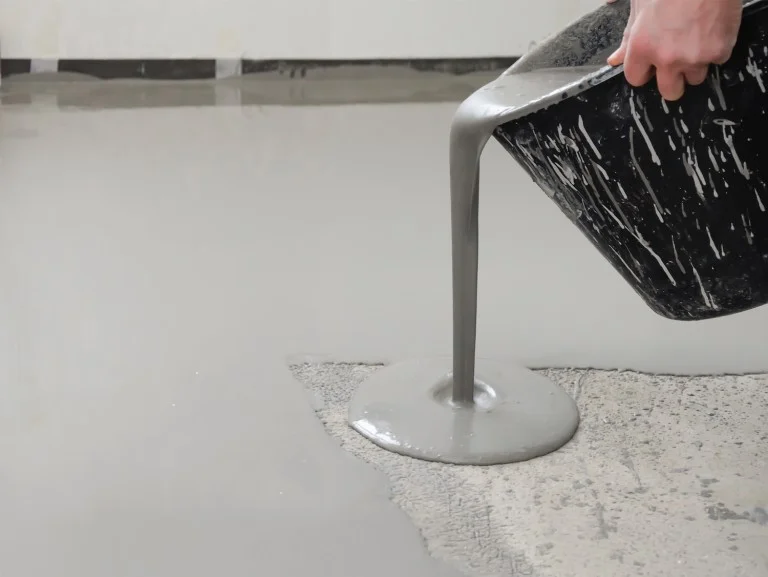
Concrete, especially new or smooth concrete, is dense and often has low porosity. When you apply cement render or plaster directly, the water from the fresh mortar can get sucked out unevenly, or the render fails to form a mechanical bond. A concrete bonding agent creates a tacky, adhesive layer that bridges the gap between the substrate and the new coating.
Beyond adhesion, a substrate primer also seals the concrete. This prevents the substrate from absorbing moisture from the render too quickly (which causes cracking) and stops fine dust particles from contaminating the bond line. For renovation projects where old concrete is dusty or friable, a dust-proofing primer is essential.
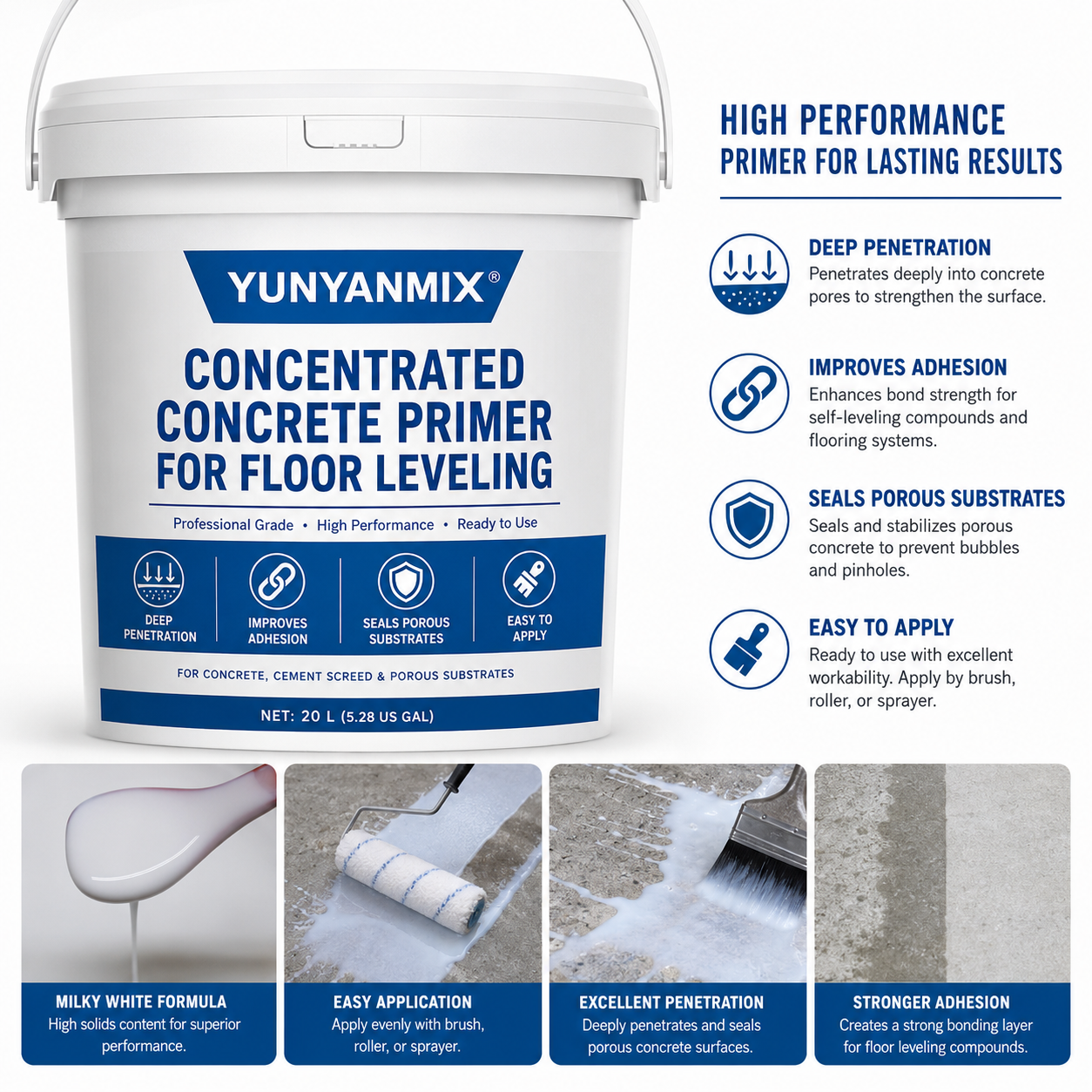
What Are the Different Types of Concrete Primer?
Not all primers are created equal. The right choice depends on your substrate condition, the coating you're applying, and the environment. Here are the most common types you'll encounter:
| Primer Type | Best For | Key Benefit |
|---|---|---|
| Acrylic primer | Interior plaster, decorative coatings | Fast-drying, low odour, good flexibility |
| Penetrating primer | Porous or dusty concrete | Deep penetration, dust-proofing, strengthens weak surfaces |
| Epoxy primer | Industrial floors, high-moisture areas | Superior chemical resistance, waterproofing |
| Polyurethane primer | Exterior walls, high-traffic areas | UV stability, abrasion resistance |
| Low VOC concrete primer | Interior occupied spaces, green building | Meets environmental standards, safer for applicators |
For most rendering and plastering applications, an acrylic primer offers the best balance of performance, ease of use, and cost. It works as both a concrete primer for waterproofing (when formulated correctly) and a bonding layer for subsequent coatings.
How Do You Choose the Best Concrete Primer for Plaster?
Selection depends on three factors: the substrate, the coating, and the exposure.
For interior plaster on concrete walls: Use a concrete primer for interior plaster that has good breathability and low VOC. An acrylic-based primer works well here because it dries quickly and doesn't trap moisture inside the wall.
For exterior walls: You need a concrete primer for exterior walls that can withstand temperature swings, rain, and UV exposure. Look for a primer with elastomeric properties that can bridge hairline cracks. A concrete primer for cement render adhesion on exterior walls should also have some water-repellent properties without being fully vapour-impermeable.
For smooth concrete: This is the trickiest substrate. A concrete primer for smooth concrete needs to be more aggressive—often a high-solids acrylic or a two-part epoxy. You may need to mechanically abrade the surface first, then apply a concrete bonding agent that can grip the slick surface.
For damp surfaces: A concrete primer for damp surfaces is a specialty product designed to bond even when the substrate isn't fully dry. These are typically epoxy-based or highly modified acrylics.
What's the Difference Between Concrete Primer and Bonding Agent?
Many people use these terms interchangeably, but they serve slightly different functions.
A concrete primer is primarily a surface preparation product. Its job is to seal the substrate, control suction, and provide a uniform surface for the next coat. It often contains fine fillers that fill minor pores and imperfections.
A concrete bonding agent is specifically formulated to create a strong mechanical and chemical bond between an existing concrete surface and a new overlay. Bonding agents are stickier and more flexible than standard primers. They're essential when applying render or plaster to old, smooth, or non-absorbent concrete.
In practice, many modern products combine both functions. A quality acrylic primer can act as both a sealer and a bonding agent. When you're choosing between concrete primer vs bonding agent, consider your substrate: if it's sound but dusty or uneven, a primer suffices. If it's smooth or non-absorbent, you need a dedicated bonding agent or a high-performance combination primer.
How to Apply Concrete Primer on Walls: A Step-by-Step Guide
Proper application is just as important as product selection. Here's a contractor-tested process:
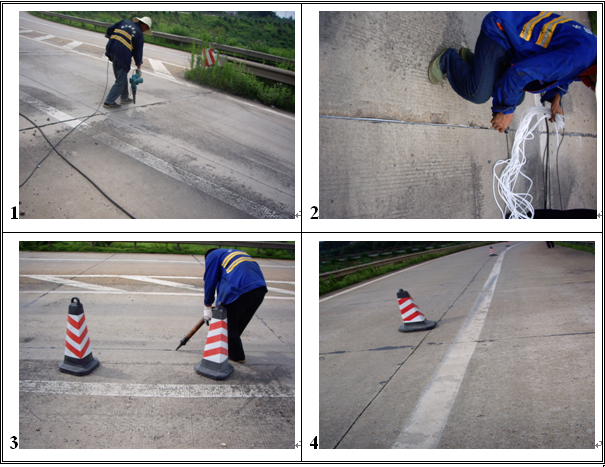
Step 1: Prepare the substrate. The concrete must be clean, sound, and free of oil, grease, dust, and loose material. Use a wire brush, pressure washer, or grinder as needed. For smooth concrete, mechanical abrasion (grinding or shot blasting) is often necessary.
Step 2: Check moisture content. Use a moisture meter. Most primers require the substrate to be below 4-5% moisture content unless you're using a concrete primer for damp surfaces.
Step 3: Mix the primer. Follow manufacturer instructions. Some acrylic primer products are ready to use, while others need dilution with water (typically 1:1 to 1:3 ratio). Stir thoroughly.
Step 4: Apply evenly. Use a roller, brush, or sprayer. Work in manageable sections. Apply one coat for most applications; two coats may be needed on highly porous or dusty surfaces.
Step 5: Allow proper drying time. This varies from 2-6 hours depending on temperature, humidity, and product. Don't apply render or plaster too early—the primer needs to form a film.
Step 6: Apply your render or plaster within the recoat window. Most primers need to be coated within 24-48 hours. If the primer dries completely, it may need to be re-primed.
Pro tip: For concrete primer before rendering, apply the render while the primer is still slightly tacky for maximum bond strength.
Can Concrete Primer Be Used for Waterproofing?
This is a common question, and the answer requires some nuance. Standard concrete primer is not a waterproofing membrane. Its primary job is adhesion and surface sealing, not preventing water penetration under hydrostatic pressure.
However, specialized concrete primer for waterproofing formulations exist. These are typically polymer-modified primers that contain water-repellent additives. They can provide surface water resistance and reduce capillary absorption, making them suitable for:
- Interior basement walls before plastering
- Bathroom walls before tiling
- Exterior walls in moderate exposure conditions
For true below-grade waterproofing or areas with standing water, you need a dedicated liquid membrane or sheet membrane system, not just a primer. A quality concrete primer for exterior walls can contribute to the overall waterproofing system but shouldn't be relied upon as the sole waterproofing layer.
What About Concrete Primer for Decorative Coatings and Renovation?
The decorative coatings market is growing rapidly, and proper priming is critical for success. When applying thin-coat decorative renders, microcement, or paint systems, the substrate preparation can make or break the final finish.
Concrete primer for decorative coatings needs to be:
- Fine-textured to not telegraph through thin coatings
- Well-adhering to prevent delamination
- Colour-consistent (often tinted) to provide a uniform base
- Compatible with the decorative topcoat chemistry
For concrete primer for repair and renovation, you're often dealing with challenging substrates: old paint residues, efflorescence, carbonated concrete, or patch repairs. A penetrating primer that can stabilise the surface and provide a uniform suction profile is essential. In renovation work, consider using a dust-proofing primer on any sanded or ground areas to lock down fine particles.
Concrete Primer Procurement Checklist for Distributors
If you're sourcing concrete primer for OEM export or distribution, here's a practical checklist to evaluate products:
- Technical data sheet: Does it specify bond strength (minimum 1.5 MPa for most applications), drying time, coverage rate, and application temperature range?
- Certifications: Does the product meet relevant EN (European) or ASTM (American) standards? For example, EN 998-1 for rendering mortars or ASTM C1583 for bond strength testing.
- VOC content: Is it a low VOC concrete primer suitable for green building certifications like LEED or BREEAM?
- Packaging options: Can the supplier provide 5L, 20L, 200L drums, or IBC tanks? For OEM, what about private label packaging?
- Shelf life: Typically 12-24 months in unopened containers. Check storage requirements.
- Application versatility: Does it work on both interior and exterior? On damp and dry substrates? This reduces your SKU count.
- Supplier support: Does the manufacturer offer technical guidance, sample support, and project-specific consultation?
Why Work with YUNYAN for Concrete Primer Procurement?
YUNYAN specialises in cement render and plaster mortar systems, including high-performance primers designed for the demanding requirements of modern construction. As a manufacturer with export and OEM capabilities, YUNYAN can support your concrete primer procurement for distributors with:
- Custom formulations tailored to your local climate, substrate conditions, and application methods
- Private label and OEM options with your branding and packaging specifications
- Technical documentation including test reports, application guides, and safety data sheets
- Flexible packaging from small retail containers to bulk supply for large projects
- Sample support for testing and qualification before bulk orders
- Project-specific consultation to help you specify the right primer for challenging applications
Whether you're a contractor needing a reliable concrete primer for plaster for your next renovation project, or a distributor looking for concrete primer for OEM export partners, YUNYAN provides the technical expertise and manufacturing capacity to meet your needs.
Explore YUNYAN's product range for cement render and plaster mortar applications
Contact YUNYAN for technical data sheets and procurement consultation