
Polyurea applications are revolutionizing the construction and industrial sectors with their versatile uses and exceptional benefits. Polyurea, a type of elastomer, is known for its rapid curing time and outstanding physical properties. This makes it an ideal solution for waterproofing, protective coatings, and structural reinforcements, offering unmatched durability and flexibility. In this article, we will explore various polyurea applications and how they can enhance your projects, comparing them with traditional materials like epoxy and highlighting their advantages in different scenarios.
Benefits of Polyurea
Polyurea benefits are extensive, making it a superior choice for many applications. Its exceptional tensile strength, which is crucial for preventing structural settlements and ensuring long-term stability, is one of the most notable advantages. Polyurea also offers excellent abrasion resistance, which makes it perfect for surfaces that experience high wear and tear. Additionally, its chemical resistance ensures longevity in harsh environments, such as industrial sites or areas exposed to harsh weather conditions.
Another significant benefit of polyurea is its rapid curing time. Unlike epoxy, which can take several hours to days to cure fully, polyurea sets in just a few minutes. This quick curing time minimizes downtime and allows for faster project completion, making it an ideal choice for industrial and commercial applications.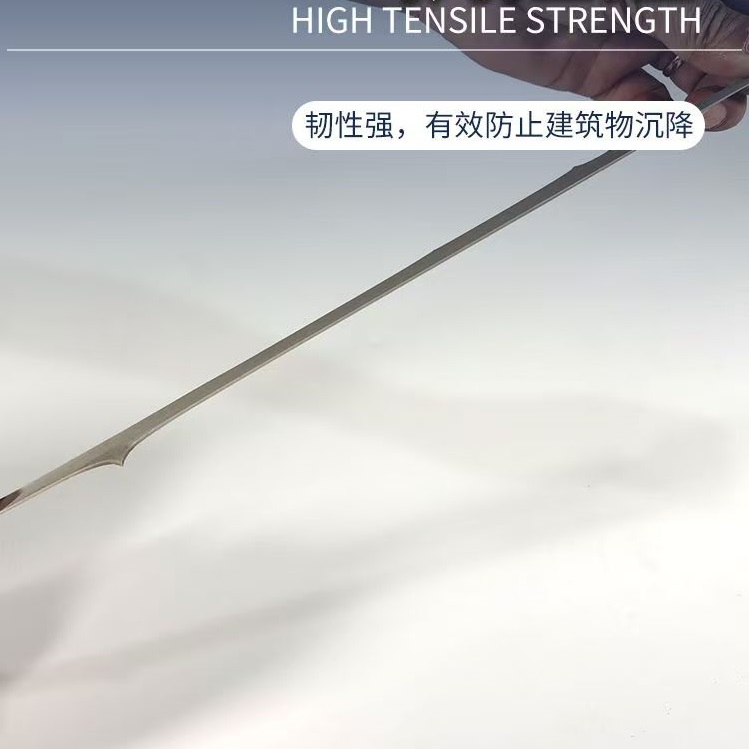
Comparing Polyurea and Epoxy
When it comes to polyurea vs epoxy, there are several factors to consider. Polyurea offers superior flexibility compared to epoxy, which is essential for applications that require a high degree of movement or flexibility. This makes polyurea particularly suitable for structures prone to vibrations or shifting, such as bridges and high-rise buildings. Additionally, polyurea's fast curing time gives it a significant edge over epoxy in terms of efficiency and time management.
However, epoxy has its advantages as well. It provides excellent adhesion properties and is often used for bonding applications. Epoxy is also more cost-effective for certain projects and can be ideal for specific use cases where flexibility and rapid curing time are not critical factors. Ultimately, the choice between polyurea and epoxy will depend on the specific requirements of each project.
Polyurea Applications in Various Industries
Polyurea for industrial use has been gaining popularity due to its wide range of applications. In construction, polyurea is used for waterproofing foundations, roofs, and basements, ensuring that structures remain free from water damage. Its strength and flexibility make it an excellent choice for reinforcing concrete and providing essential support in seismic designs.
In the automotive industry, polyurea spray coatings are used to protect vehicles from corrosion and abrasion. The flexibility of polyurea also makes it suitable for protecting pipelines and other infrastructure subjected to varying temperatures and environmental conditions. Additionally, polyurea technology is employed in the manufacturing of high-strength support rods, enhancing their durability and performance.
For example, our High Tensile Strength Support Rod is crafted with state-of-the-art materials and innovative techniques to provide exceptional tensile strength. This rod is designed to withstand extreme stress without deformation, making it ideal for high-rise buildings, bridges, and large industrial constructs. Its lightweight yet robust construction ensures easy handling and installation, while the corrosion-resistant alloy blend minimizes maintenance costs and extends its service life.
Conclusion
In conclusion, polyurea applications offer numerous advantages over traditional materials, making them a valuable asset in various industries. From waterproofing and protective coatings to structural reinforcements, polyurea's rapid curing time, exceptional strength, and flexibility make it a superior choice for many projects. By understanding the benefits and comparing polyurea with alternatives like epoxy, professionals can make informed decisions to enhance the quality and efficiency of their projects.