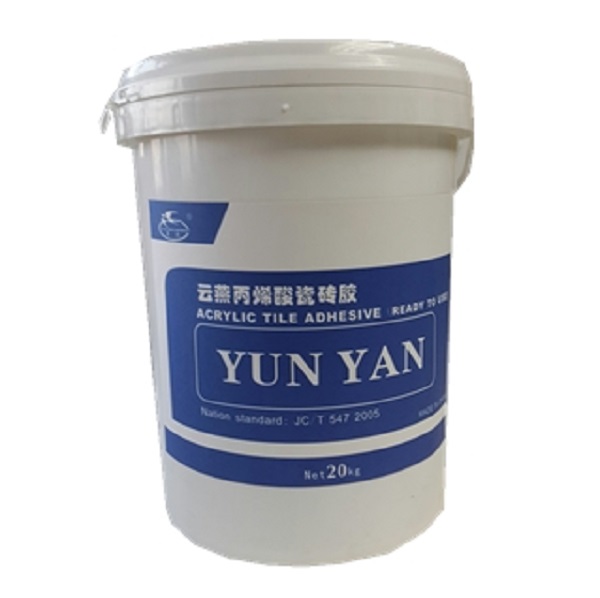

We are well branded one of TOP 10 building chemical company in China, flor more informations please go through: www.yunyanchina.com
Achieving a perfectly flat and smooth floor is a critical first step for any successful flooring installation, from hardwood to tile to luxury vinyl. When dealing with imperfections, dips, or slopes, understanding the different self leveling compound types is essential for creating a flawless foundation. A self leveling compound for uneven floors is a technologically advanced cementitious mixture that uses gravity to flow into low areas, resulting in a flat, durable surface ready for your chosen floor covering. This guide will explore the various options available to ensure you select the right product for your project.
What Are Self-Leveling Compounds?
Before diving into the specifics, it's important to understand what these products do. A self-leveling underlayment is not a structural concrete but a floor topping designed to correct surface irregularities on a subfloor. It is mixed with water to a liquid-like consistency, poured over the floor, and spread with a gauge rake or smoother. Its primary function is to create a level and smooth substrate, which is a service often provided by professional concrete leveling services. This process is crucial because an uneven subfloor can cause new flooring to crack, separate at the seams, or wear down unevenly over time, compromising its longevity and appearance.
Exploring Different Self-Leveling Compound Types
When browsing self leveling product guides, you'll find that compounds are primarily categorized by their base material and specific properties. Cement-based levelers are the most common, offering excellent strength and durability, making them ideal for use over concrete subfloors. Gypsum-based compounds, on the other hand, are lighter and are often used over wooden or plywood subfloors because they don't add excessive weight. However, gypsum-based levelers are not suitable for areas with high moisture, like bathrooms or basements. Another important distinction is setting time; while standard products work well, a fast drying underlayment is available for projects on a tight schedule, allowing flooring to be installed in just a few hours. There are also specialized formulas, such as self leveling underlayments for vinyl, which are designed to create an exceptionally smooth surface to prevent any imperfections from telegraphing through the thin vinyl material.
The Importance of Surface Preparation for Self-Leveling Cement
A successful application is heavily dependent on proper prep work. In fact, excellent surface preparation for self leveling cement is non-negotiable for achieving a strong, lasting bond. The subfloor must be completely clean, dry, and free of any dust, grease, paint, or old adhesives that could interfere with adhesion. Any cracks or holes should be filled, and the entire surface must be primed with a manufacturer-recommended primer. Priming seals the porous subfloor, preventing water from being absorbed too quickly from the mix, which could lead to weak spots and an uneven finish. Skipping this step is one of the most common reasons for product failure.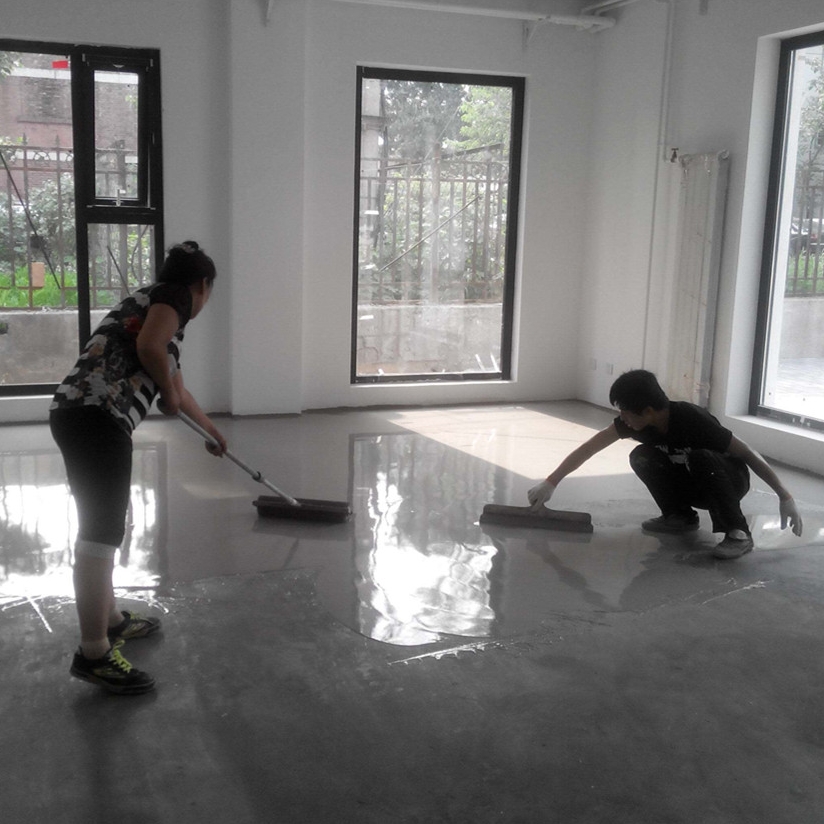
Application Tips and Thickness Guidelines
Following proper application tips for flooring underlayment ensures a professional result. After mixing the compound according to the instructions, it should be poured evenly across the floor, starting at the lowest point. The self leveling concrete thickness is a critical factor; most compounds are designed to be applied from a featheredge up to about one inch thick in a single pour, though specialty products can go thicker. It's also possible to cover certain fixtures, as these compounds are often used for buried cables under flooring, such as in-floor heating systems, providing a safe and seamless encasement. Always work quickly, as the product has a limited working time before it begins to set. Using a spiked roller after spreading helps release any trapped air bubbles, guaranteeing a denser and smoother final surface for your beautiful new floor.