
In modern industries where sensitive electronics are paramount, mastering proper anti-static application techniques is not just a recommendation—it's a necessity. Electrostatic discharge (ESD) poses a significant threat to delicate components found in data centers, laboratories, and manufacturing facilities. Therefore, implementing a robust flooring solution is the first line of defense against costly damage and operational downtime, making the choice of materials and installation process critically important.
Understanding Key Anti-Static Floor Properties
The fundamental goal of anti-static flooring is to safely dissipate static charges away from people and equipment. Key anti-static floor properties include controlled electrical resistance and conductivity, which prevent the sudden discharge that can damage or destroy electronic components. This is especially critical for flooring for computer rooms and cleanrooms, where even a minor ESD event can lead to catastrophic failures. These specialized floors are engineered with conductive materials to maintain a specific range of electrical resistance, ensuring a safe, stable, and predictable operational environment. The effectiveness of the entire system hinges on these inherent properties being correctly established and maintained.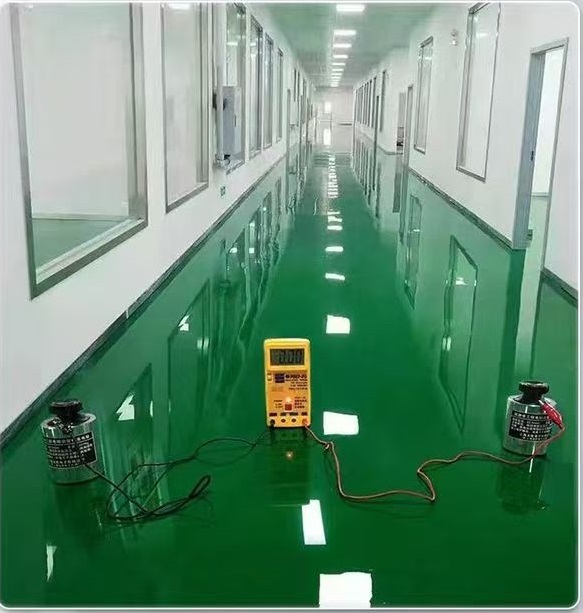
The Process of Anti-Static Epoxy Installation
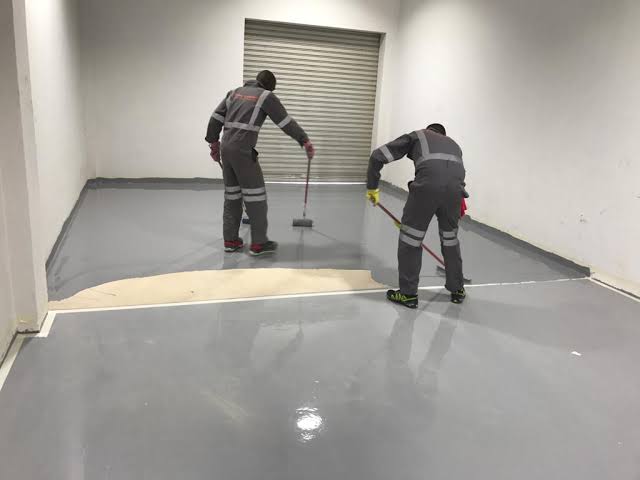
A successful implementation relies heavily on meticulous anti-static epoxy installation. The process typically begins with a high-quality primer, such as the Automei Epoxy Primer (Base A). This foundation ensures unmatched adhesion and creates a perfect surface for subsequent layers. The label instructions are clear, calling for a 1:1 mixing ratio with its hardener to achieve a balanced, smooth application. This level of quality is often backed by international standards, with ISO and SGS certifications guaranteeing performance and reliability. This initial step is a crucial form of anti-static surface treatment that prepares the substrate for the conductive layers that follow, ensuring a strong bond and a flawless finish.
Enhancing Floor Conductivity with Specialized Layers
After priming, the next step involves applying an intermediate coat specifically designed for enhancing floor conductivity. The UTOMEI Anti-Static Epoxy Mid Coat (Base A) is a prime example of such a specialized formulation. This layer contains conductive additives that are essential for dissipating static electricity effectively across the entire surface. When mixed and applied evenly, it forms a conductive network within the flooring system that channels static charges safely to a designated grounding point. The final result, often a seamless and glossy finish, is not just aesthetically pleasing but is a testament to the floor's functional design. This system provides stable and uniform resistance, which is vital for protecting sensitive operations.
Long-Term Performance and Anti-Static Maintenance
Beyond installation, the longevity of the system depends on its durability and proper anti-static maintenance. High-performance epoxy systems are designed to be incredibly resilient. They offer excellent scratch and chemical resistance, making them suitable for environments with heavy equipment or rigorous cleaning protocols. The seamless, non-porous surface simplifies cleaning, ensuring that hygiene standards can be met without compromising the floor's conductive capabilities. Regular, simple anti-static maintenance helps preserve the anti-static floor properties over the long term, ensuring a continuous and reliable return on investment and safeguarding critical operations from the invisible threat of ESD.