
What Is Acrylic Textured Paint? A Complete Guide to Textured Wall Coatings for Contractors and Architects
Acrylic textured paint is a water-based, thick-consistency wall coating that creates dimensional surface effects while providing durable protection for interior and exterior walls.
If you're a contractor who's tired of callbacks for cracked stucco, an architect specifying low-maintenance facades, or a distributor looking for a reliable decorative wall finish to offer your clients, you've likely encountered acrylic textured paint as a solution. But with so many options—acrylic stucco, sand textured paint, exterior textured coating, acrylic stone paint—it's easy to get confused. This guide breaks down everything you need to know, from application basics to procurement for large projects.
What exactly is acrylic textured paint and how is it different from regular paint?
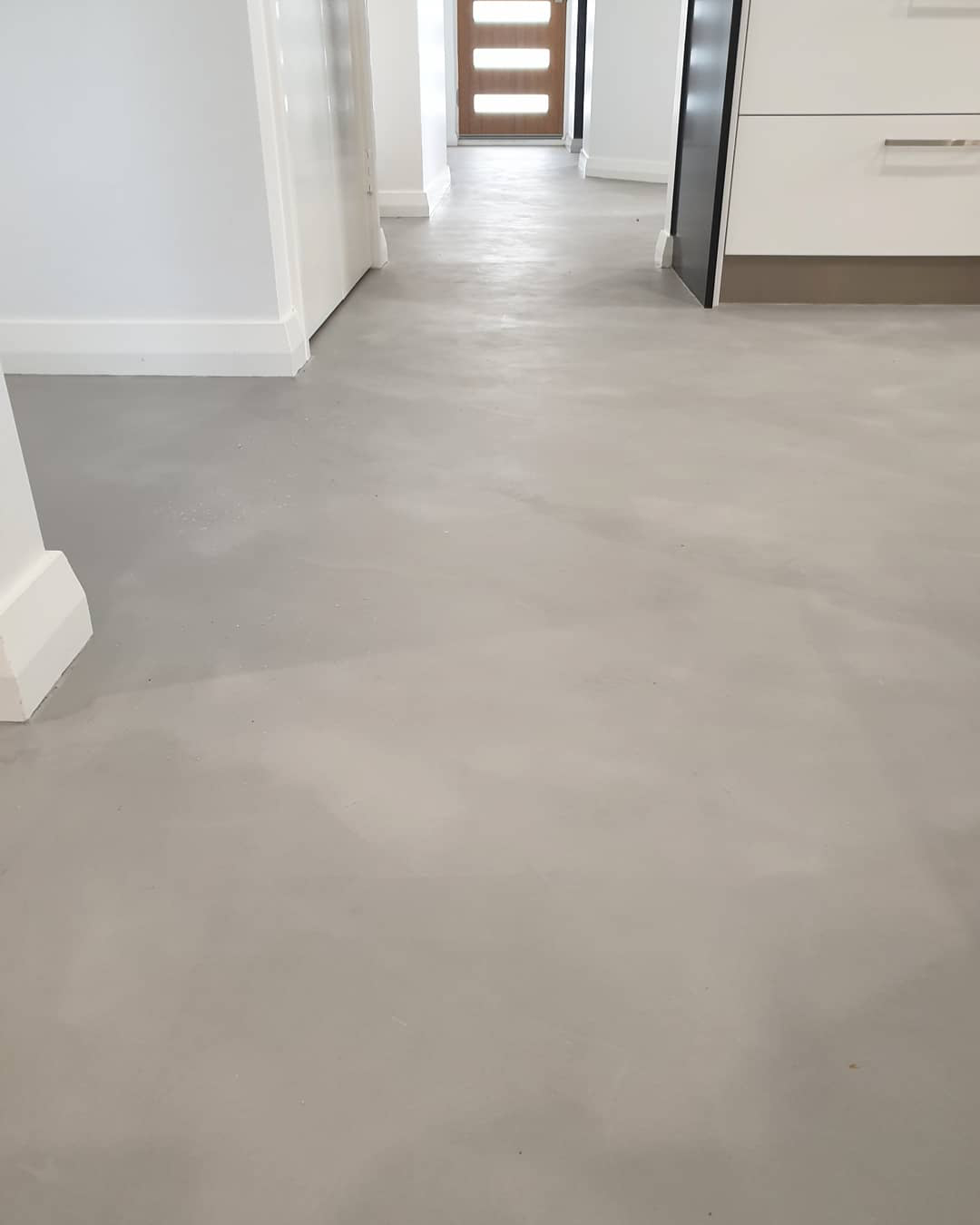
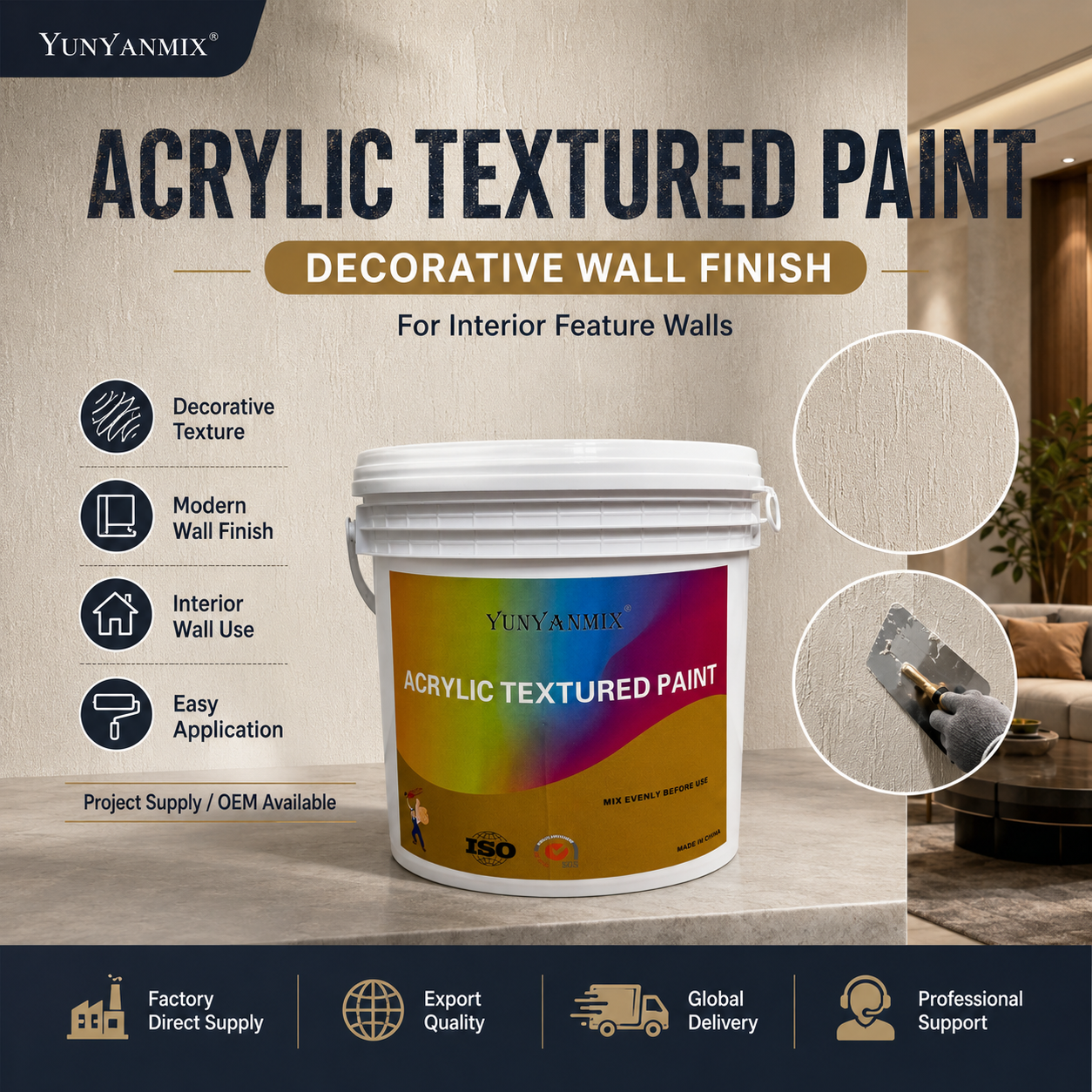
Acrylic textured paint is a thick, viscous coating that contains aggregates such as sand, marble granules, or synthetic fibers to create a three-dimensional surface. Unlike standard flat paint, which dries to a smooth film, this textured wall coating builds thickness on the wall, hiding minor surface imperfections and adding visual depth.
The key difference lies in composition and application. Regular paint is designed for coverage and color; acrylic textured paint serves as both a decorative wall finish and a protective layer. It bonds chemically to substrates like concrete, drywall, and cement board, forming a flexible membrane that resists cracking. For exterior use, this flexibility is critical—it moves with the building as temperatures fluctuate, unlike traditional stucco which can crack under thermal stress.
Most acrylic textured paint products, including YUNYAN's Acrylic Finish Paint, are low-VOC, making them suitable for green building projects and occupied spaces. They also come in a range of aggregate sizes, from fine sand to coarse stone, giving you control over the final texture.
What are the main types of acrylic textured paint available?
Understanding the types helps you choose the right product for each project. The three most common categories are:
1. Sand textured paint – Contains fine silica sand or quartz aggregate. This sand textured paint creates a subtle, matte finish similar to fine-grit sandpaper. It's ideal for interior feature walls and low-traffic commercial spaces where a gentle texture is desired.
2. Acrylic stucco – A heavier formulation designed to replicate traditional cement stucco. Acrylic stucco is typically applied with a trowel or sprayer and can be finished in multiple patterns (smooth, skip-trowel, Spanish lace). It's the go-to choice for exterior facades because it's lighter than cement stucco but equally durable.
3. Acrylic stone paint – Contains larger aggregate chips (marble, quartz, or granite). Acrylic stone paint creates a natural stone appearance and is often used for decorative facades, accent walls, and architectural features. It provides high impact resistance and UV stability.
For commercial applications, commercial acrylic wall coating for high traffic areas typically uses a medium-to-coarse aggregate with enhanced abrasion resistance. YUNYAN's Acrylic Finish Paint can be customized across these types, making it suitable for both residential and commercial projects.
How do you apply acrylic textured paint on concrete and other substrates?
How to apply acrylic textured paint on concrete is one of the most common questions contractors ask. The process is straightforward but requires attention to detail:
Step 1: Surface preparation – The substrate must be clean, dry, and structurally sound. For concrete, remove any efflorescence, oil stains, or loose particles. Fill cracks wider than 1/8 inch with a compatible patching compound. Prime the surface with a high-quality acrylic primer to ensure adhesion and uniform absorption.
Step 2: Mixing – Stir the acrylic textured paint thoroughly. Do not thin with water unless specified by the manufacturer; excessive thinning reduces texture and durability.
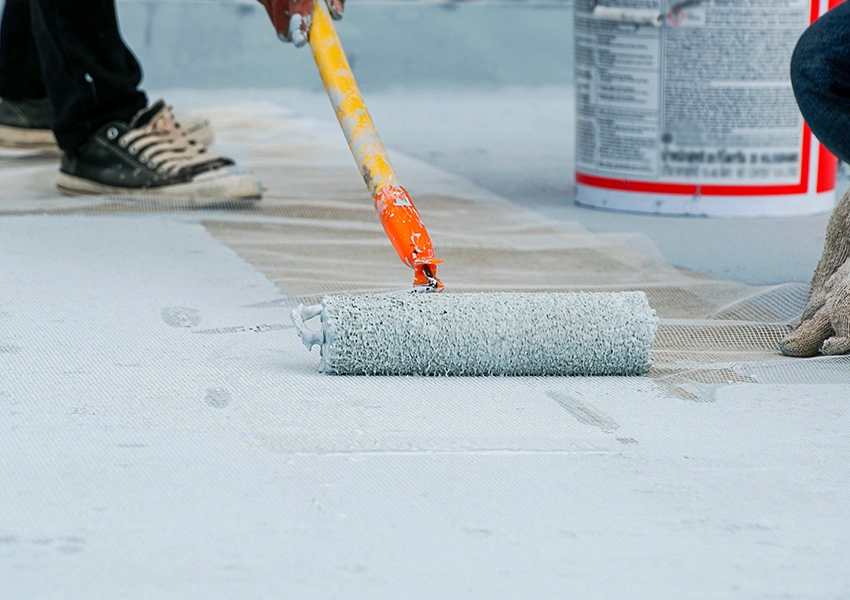
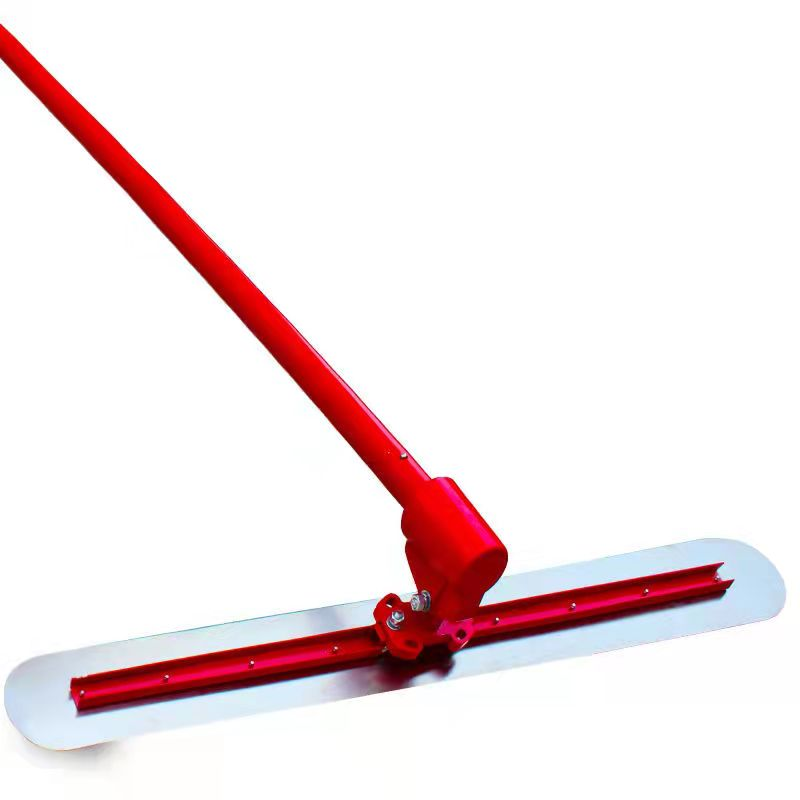
Step 3: Application – For trowel-on texture, apply with a stainless steel trowel in a thin, even coat (typically 1-2 mm). Work in small sections (3x3 feet) to maintain wet edges. For sprayed application, use a hopper gun with appropriate nozzle size (4-6 mm for medium texture). Apply in a cross-hatch pattern for even coverage.
Step 4: Finishing – Once applied, you can texture the surface with a sponge, brush, or textured roller while still wet. For a consistent decorative wall finish, use the same technique across the entire wall.
Step 5: Curing – Allow 24-48 hours drying time before applying a second coat or sealer. For exterior applications, avoid applying when rain is expected within 24 hours.
Common mistakes include applying too thick (causes sagging), not priming porous surfaces (uneven absorption), and working in direct sunlight (skin formation before texture is set).
Where should you use acrylic textured paint—interior, exterior, or both?
Acrylic textured paint for exterior walls is the most common application, but it's equally effective indoors. Here's where each shines:
Exterior applications: This is where weather resistant textured paint for facades proves its value. Exterior-grade acrylic textured paint resists UV degradation, rain, freeze-thaw cycles, and algae growth. It's ideal for:
- Building facades (new construction and renovation)
- Perimeter walls and fences
- Entryway columns and architectural details
- Balcony and terrace walls
For exterior use, ensure the product is specifically labeled for outdoor exposure. YUNYAN's Acrylic Finish Paint is formulated for exterior durability while maintaining color retention.
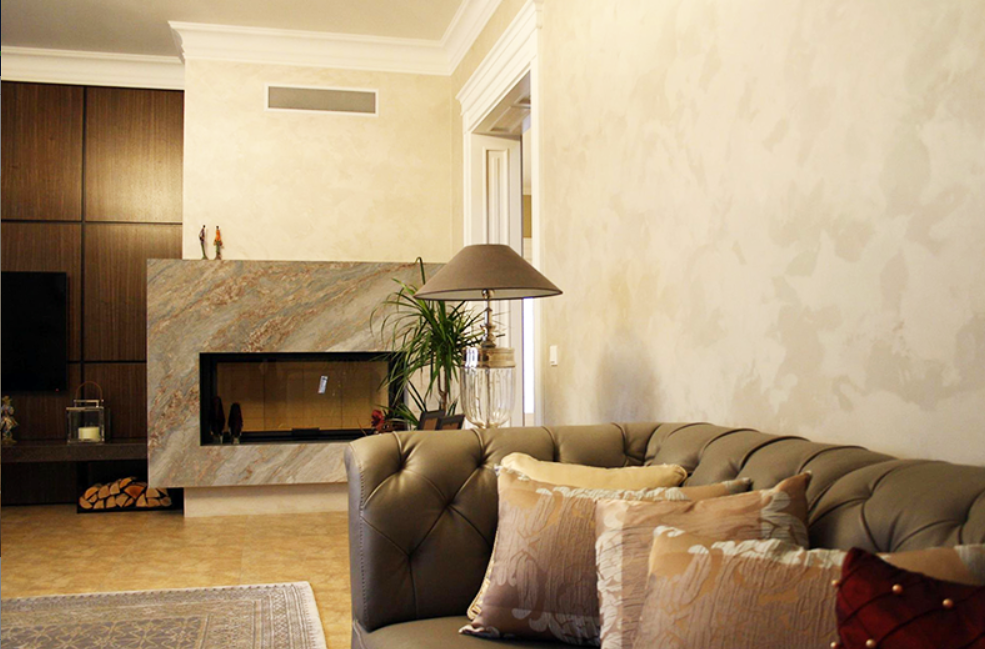
Interior applications: Best acrylic texture paint for interior feature walls is popular in living rooms, bedrooms, and commercial lobbies. It adds depth without the maintenance issues of wallpaper or the cost of stone veneer. Interior applications include:
- Accent walls in hospitality spaces (hotels, restaurants)
- Feature walls in retail stores
- Corridors in office buildings
- Residential living rooms and bedrooms
For high-traffic commercial interiors, commercial acrylic wall coating for high traffic areas should have enhanced scuff and abrasion resistance. Always check the product's scrub resistance rating for interior commercial use.
How does acrylic textured paint compare to traditional stucco?
Acrylic textured paint vs stucco is a frequent comparison, especially for exterior facades. Here's the honest breakdown:
| Feature | Acrylic Textured Paint | Traditional Cement Stucco |
|---|---|---|
| Weight | Lightweight (1-2 lbs/sq ft) | Heavy (10-15 lbs/sq ft) |
| Flexibility | High (moves with building) | Low (prone to cracking) |
| Application | One-coat system, DIY-friendly | Multi-coat, requires skilled labor |
| Curing time | 24-48 hours | 7-28 days |
| Color options | Unlimited, factory-mixed | Limited, usually painted after |
| Maintenance | Easy spot repair | Difficult matching |
| Cost | Lower installed cost | Higher labor cost |
For most modern construction, acrylic textured paint wins on speed, cost, and flexibility. Traditional stucco still has its place in historic restoration and projects requiring extreme impact resistance, but for the majority of residential and commercial facades, acrylic systems are the preferred choice.
What should contractors look for when buying acrylic textured paint for projects?
Procurement acrylic textured paint for contractors requires more than just picking a color. Here's a practical checklist for buyers:
Contractor's Procurement Checklist:
- Weather resistance rating – For exterior use, verify UV resistance (ASTM D4587) and water absorption (ASTM D570)
- VOC content – For green building projects, look for low VOC decorative wall coating (<50 g/L for interior, <100 g/L for exterior)
- Coverage rate – Typical yield is 40-60 sq ft per gallon for medium texture; verify with manufacturer
- Drying time – Know recoat and cure times for your climate
- Aggregate type – Choose based on desired texture and application method (spray vs trowel)
- Color consistency – Request a color card and confirm batch-to-batch consistency
- Warranty – Most quality products offer 10-15 year warranties for exterior use
- Supplier reliability – For large projects, confirm stock availability and lead times
For OEM acrylic textured paint for distributors, YUNYAN offers customization options including color matching, aggregate size adjustment, and private labeling. This is particularly valuable for contractors who want a consistent product across multiple projects without brand inconsistency.
What are common application problems and how do you fix them?
Acrylic texture paint application problems can ruin a job if not addressed. Here are the most frequent issues:
Cracking – Usually caused by applying too thick or applying over a flexible substrate (like wood) without proper reinforcement. Solution: Apply in thin coats (max 2 mm per coat), use fiberglass mesh over joints and cracks.
Color variation – Occurs when mixing batches inconsistently or applying unevenly. Solution: Always mix multiple containers together in a 5-gallon bucket before use. Maintain consistent application technique across the entire wall.
Poor adhesion – Common on glossy surfaces or non-porous substrates. Solution: Always prime properly. For tile or metal, use a bonding primer specifically designed for acrylic coatings.
Sagging or dripping – Happens when the product is applied too thick or the substrate is too cold. Solution: Apply in thinner coats, maintain substrate temperature above 50°F, and use a texture additive if needed.
Uneven texture – Results from inconsistent trowel pressure or spray technique. Solution: Practice on a test board before starting the job. For large areas, use a texture sprayer for consistency.
For complex projects, YUNYAN provides technical guidance to help contractors avoid these issues, including substrate assessment and application recommendations.
Related Standards
- ASTM D4587 – Standard Practice for Fluorescent UV-Condensation Exposures of Paint and Related Coatings
- ASTM D570 – Standard Test Method for Water Absorption of Plastics
- EN 1062 – Paints and varnishes – Coating materials and coating systems for exterior masonry and concrete
- ASTM E84 – Standard Test Method for Surface Burning Characteristics of Building Materials (flame spread)
- LEED v4.1 – Low-emitting materials credit for VOC content
Conclusion: Choosing the Right Acrylic Textured Paint for Your Project
Whether you're an architect specifying a sustainable acrylic paint for green building projects, a contractor looking for weather resistant acrylic texture paint commercial grade, or a designer seeking the best acrylic finish paint for facades, understanding the product category is essential. Acrylic textured paint offers versatility, durability, and aesthetic flexibility that traditional coatings can't match.
For procurement, YUNYAN supports contractors, architects, and distributors with export-ready products, OEM/private label options, and project-specific technical consultation. Their Acrylic Finish Paint covers the full range of applications from low maintenance acrylic wall coating for high-traffic areas to acrylic stone paint for decorative facades.
Explore YUNYAN's Acrylic Finish Paint product specs and technical data sheets →
Contact YUNYAN for project consultation, sample requests, or bulk pricing →