
How to Choose and Apply Interior Wall Paint: A Step-by-Step Guide for Contractors and Homeowners
Background
Selecting the right interior wall paint isn't just about color. For contractors, painters, distributors, and homeowners, the choice directly affects project timelines, maintenance costs, and long-term durability. Whether you're coating a rental property, a high-traffic corridor, or a humidity-prone bathroom, the wrong interior wall coating leads to rework, customer complaints, and wasted material.
This guide walks you through the decision process and application steps for interior wall paint, covering everything from low VOC paint requirements to washable wall paint performance. We'll focus on emulsion paint — the most common water-based interior wall coating used in modern construction — and help you match the right finish to your specific project conditions.
Preparation: Tools and Materials Checklist
Before starting any interior wall paint job, gather the following:
Tools:
- Painter's tape (50mm width, 2 rolls per room)
- Drop cloths (canvas or plastic, 3x5m minimum)
- Roller frames with 9mm and 18mm nap covers
- Angled sash brush (50mm and 25mm)
- Paint tray with liner
- Mixing paddle and drill
- Sanding block (120-180 grit)
- Putty knife and filling compound
- Measuring tape and spirit level
- Extension pole for roller (1.8m recommended)
Materials:
- Interior wall paint — calculate 1 liter per 10-12m² per coat for emulsion paint
- Primer (if required for bare surfaces)
- Filler for cracks and holes
- Cleaning rags and bucket
- Respirator mask (even for low VOC paint)
- Stirring sticks
Preparation time: 30-45 minutes per room Drying time between coats: 2-4 hours for water based interior paint
Step-by-Step Instructions
Step 1: Assess the Room and Choose the Right Finish
Before you open a can, evaluate three factors: traffic level, humidity exposure, and desired appearance.
Sub-step 1.1: Identify the room type
- High-traffic corridors, kitchens, children's rooms: Choose durable washable emulsion paint for high traffic areas or easy clean interior paint for kitchens. You need interior paint with stain resistance for corridors — typically a satin or semi-gloss finish.
- Bedrooms and living rooms: Best zero VOC paint for bedrooms or matt finish paint for a soft, non-reflective look. Matte vs satin finish emulsion paint comparison shows matte hides surface imperfections better.
- Bathrooms and basements: Anti mold paint for bathroom walls or breathable interior wall paint for old houses. These resist moisture and prevent fungal growth.
- Old houses with solid walls: Breathable interior wall paint for old houses allows moisture vapor to escape, preventing blistering.
Sub-step 1.2: Understand finish types
- Matt finish paint — excellent hiding power, low sheen. Ideal for ceilings and low-traffic rooms.
- Eggshell paint — slight sheen, easier to clean than matte. Good for living rooms and bedrooms.
- Satin finish — more durable, washable. Best for easy clean interior paint for kitchens and bathrooms.
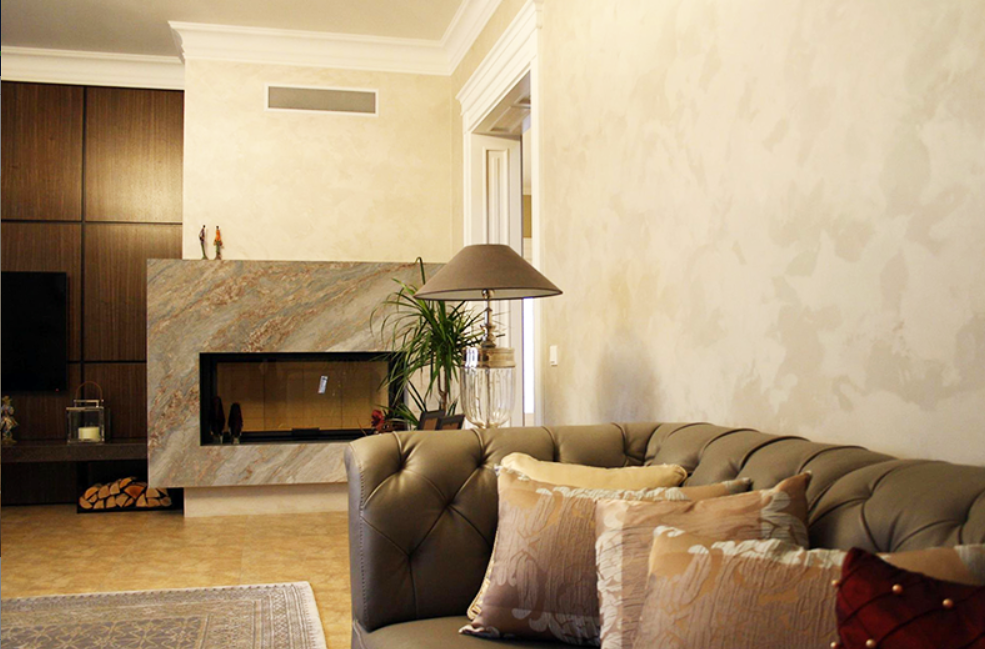
- Decorative textured wall paint for living rooms adds depth but requires more skill to apply evenly.
Sub-step 1.3: Check environmental requirements
- For sustainable projects, specify eco friendly wall paint for sustainable construction.
- For export buyers: export quality emulsion paint for distributors must meet VOC limits of your target market (EU: <30g/L, US: <50g/L for low VOC interior wall paint for contractors).
- For rental properties: low maintenance interior wall coating for rentals means choosing a washable, stain-resistant finish.
Step 2: Surface Preparation
Proper surface prep determines 80% of the final result.
Sub-step 2.1: Clean the walls Remove dust, grease, and cobwebs. For kitchens, wash with sugar soap (1:10 solution). Rinse and let dry completely — about 2 hours.
Sub-step 2.2: Repair defects Fill cracks and holes with filler compound. Allow 4-6 hours drying. Sand smooth with 120-grit paper. Wipe dust with a damp cloth.
Sub-step 2.3: Prime if needed
- New plaster or drywall: apply one coat of primer
- Previously painted glossy surfaces: sand and apply primer
- Stained walls: use stain-blocking primer
- Anti mold paint for bathroom walls may require a fungicidal primer first
Sub-step 2.4: Mask and protect Apply painter's tape to trim, window frames, and outlets. Lay drop cloths over floors and furniture.
Step 3: Mix and Apply the Paint
Sub-step 3.1: Mix thoroughly Stir the interior wall paint for 2-3 minutes with a mixing paddle. For OEM white wall paint bulk supply drums, stir from bottom to top. Do not thin unless the manufacturer specifies — most water based interior paint is ready to use.
Sub-step 3.2: Cut in edges Using a 50mm angled brush, paint a 50-75mm band around corners, ceilings, and trim. Work in 1m sections. Keep a wet edge to avoid lap marks.
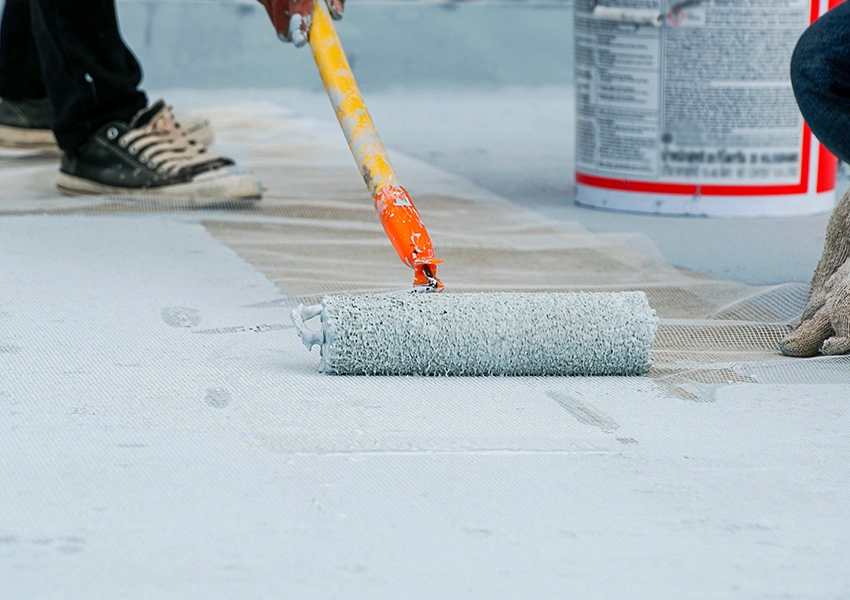
Sub-step 3.3: Roll the walls
- Load the roller evenly — don't overload
- Apply paint in a "W" pattern, then fill in with parallel strokes
- Work top to bottom, maintaining a wet edge
- For decorative textured wall paint for living rooms, use a thicker nap roller (18-22mm) and apply with consistent pressure
Sub-step 3.4: Apply second coat Allow first coat to dry 2-4 hours (longer in humid conditions). Apply second coat following the same process. For low VOC interior wall paint for contractors, you can recoat in 1-2 hours if ventilation is good.
Step 4: Inspect and Touch Up
After the second coat dries 24 hours:
- Check for missed spots in raking light
- Touch up with a small brush — don't re-roll small areas (texture mismatch)
- Remove painter's tape at a 45-degree angle
- Clean tools immediately with water (for water based interior paint)
Step 5: Clean Up and Ventilate
- Dispose of drop cloths and tape
- Wash brushes and rollers with warm soapy water
- Store leftover paint in sealed containers (label with room and date)
- Keep windows open 24-48 hours for low VOC paint off-gassing
Common Mistakes and How to Avoid Them
Mistake 1: Skipping Primer on Porous Surfaces
The problem: New plaster or drywall absorbs interior wall coating unevenly, causing patchy appearance and requiring extra coats. How to avoid: Always prime bare surfaces. For breathable interior wall paint for old houses, use a breathable primer to match.
Mistake 2: Using the Wrong Finish for the Room
The problem: Applying matt finish paint in a kitchen or hallway results in stains that can't be cleaned without damaging the paint. How to avoid: For kitchens, bathrooms, and corridors, choose durable washable emulsion paint for high traffic areas or easy clean interior paint for kitchens with at least satin sheen. Save matt finish paint for bedrooms and low-traffic living areas.
Mistake 3: Rushing Between Coats
The problem: Applying a second coat before the first is fully dry causes peeling, bubbling, or color inconsistency. How to avoid: Follow manufacturer drying times. For water based interior paint for quick drying application, wait minimum 2 hours. In humid conditions (above 70% RH), extend to 4-6 hours. Use a dehumidifier if needed.
Buyer/Contractor Checklist for Interior Wall Paint Selection
Use this checklist when specifying or purchasing interior wall paint:
| Requirement | What to Check |
|---|---|
| Room type | High traffic? Humid? Bedroom? |
| Finish needed | Matt, eggshell, satin, textured |
| Washability | Stain resistance rating (Class 1 or 2 preferred for corridors) |
| VOC level | <50g/L for low VOC paint; <5g/L for best zero VOC paint for bedrooms |
| Mold resistance | Required for bathrooms (look for fungicidal additives) |
| Substrate | New plaster, previously painted, wallpaper removal |
| Coverage rate | ~10-12m²/L per coat |
| Drying time | 1-4 hours depending on temp/humidity |
| Bulk supply | OEM white wall paint bulk supply for large projects |
| Export compliance | Meets EU/US/AU VOC limits |
| Sustainability | Eco friendly wall paint for sustainable construction certifications |
Three Practical Use Cases
Use Case 1: High-Traffic School Corridor
Challenge: Hundreds of students daily, frequent scuffs and marks. Solution: Specify interior paint with stain resistance for corridors in satin finish. Use durable washable emulsion paint for high traffic areas with scrub resistance of 10,000+ cycles. Apply two coats over primed walls. Expected lifespan: 3-5 years before repainting.
Use Case 2: Bathroom Renovation for a Client
Challenge: High humidity, potential mold growth, steam from showers. Solution: Use anti mold paint for bathroom walls with built-in fungicide. Choose satin finish for moisture resistance. Apply breathable interior wall paint for old houses if the substrate is lime-based. Ensure 24-hour drying between coats.
Use Case 3: Rental Property Refresh for a Landlord
Challenge: Tenants change frequently; walls get damaged; budget is tight. Solution: Select low maintenance interior wall coating for rentals in eggshell finish. Use easy clean interior paint for kitchens in the cooking area. Purchase OEM white wall paint bulk supply from a reliable manufacturer to save on per-unit cost. Apply matt finish paint in bedrooms to hide minor imperfections.
How YUNYAN Can Support Your Interior Wall Paint Projects
YUNYAN specializes in emulsion paint manufacturing for contractors and distributors worldwide. When you need reliable interior wall paint for large-scale projects, YUNYAN provides:
- Export quality emulsion paint for distributors — consistent viscosity, color accuracy, and coverage batch to batch
- OEM white wall paint bulk supply — customize packaging, labels, and VOC levels for your market
- Low VOC interior wall paint for contractors — meets international emission standards
- Technical guidance — our team helps you select the right interior wall coating for your specific substrate and climate conditions
- Sample support — test color, sheen, and washability before full production
Whether you need breathable interior wall paint for old houses, anti mold paint for bathroom walls, or decorative textured wall paint for living rooms, YUNYAN can help you source the right product for your project requirements.