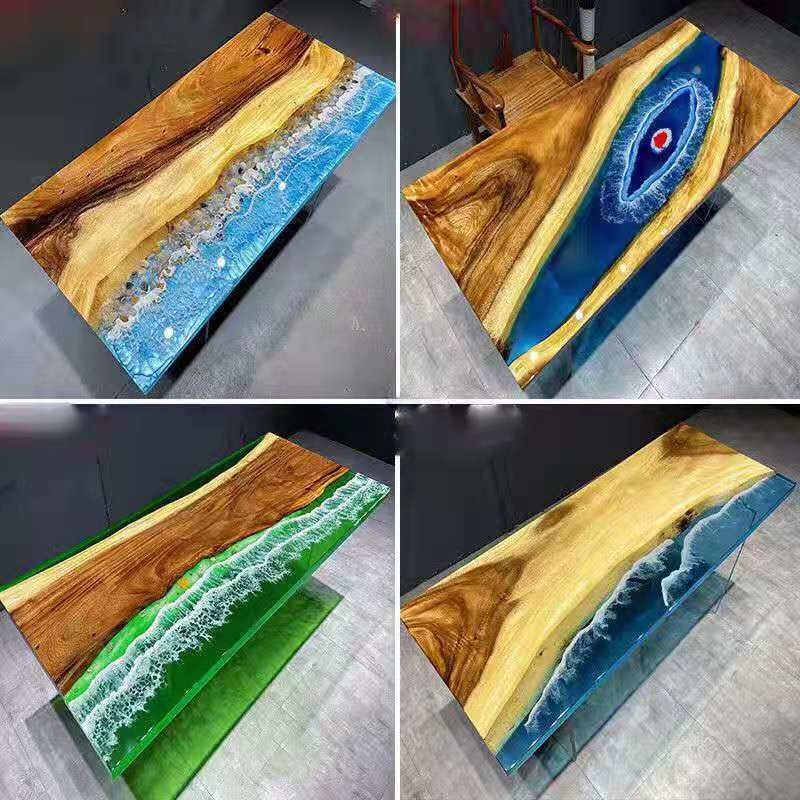

How to Specify Art Wall Materials: A Step-by-Step Guide for Designers and Contractors
Background
You're standing in a high-end lobby, a boutique hotel corridor, or a luxury residential living room. The client wants a wall that doesn't just sit there — they want texture, depth, and a finish that feels crafted rather than painted on. That's where art wall materials come in.
The problem is that the market is flooded with options: Venetian plaster effects, textured acrylic paints, mineral-based coatings, and designer wall coatings. Each claims to be the best. But as a specifier or contractor, you need to know which decorative wall finish will actually perform — on the substrate, under the lighting, with the maintenance schedule your client expects.
This guide walks you through the decision process, from understanding your project requirements to selecting the right artistic wall coating and installing it correctly. We'll focus on acrylic finish paint as a reliable, versatile category that bridges performance and aesthetics.
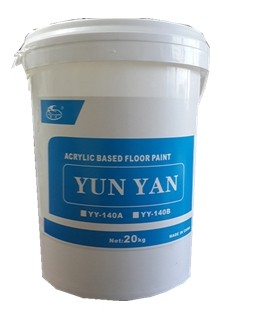
Preparation: Tools and Materials Checklist
Tools
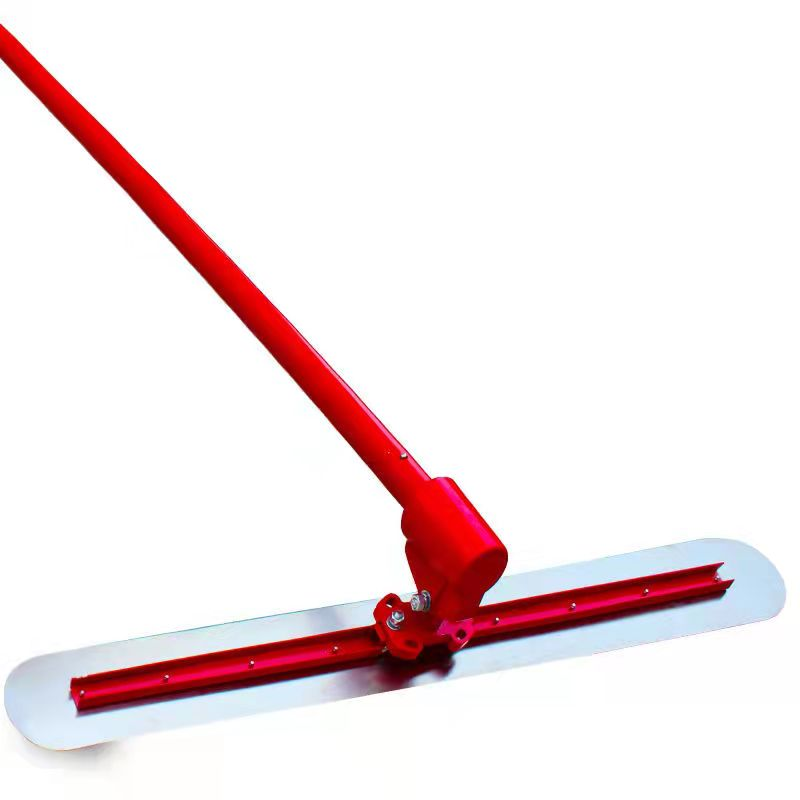
- High-quality trowel (stainless steel, 4–6 inch for detail work, 10–12 inch for broad areas)
- Roller frame with medium-nap microfiber covers (2–3 rollers)
- Paint mixer drill attachment
- Mixing bucket (20L capacity)
- Painter's tape (3M or equivalent)
- Drop cloths (heavy-duty canvas)
- Sanding block (120–180 grit)
- Spray bottle with water (for blending)
- Measuring tape and level
- Protective gloves and eyewear
Materials
- Acrylic finish paint (calculate 0.3–0.5 kg/m² per coat, depending on texture depth)
- Primer (acrylic-based, 0.1–0.15 kg/m²)
- Substrate filler (for cracks and holes)
- Clean water (for thinning, if recommended by manufacturer)
- Plastic sheeting for covering fixtures
- Stir sticks
Quantities (per 100 m² wall area)
- 30–50 kg acrylic finish paint (2 coats)
- 10–15 kg primer
- 2–3 rolls painter's tape
- 5 drop cloths
Step-by-Step Instructions
Step 1: Assess Your Project Requirements
Before you order a single bucket, answer these three questions:
1. What is the substrate?
- Drywall: Requires primer and careful joint treatment
- Concrete: Must be cured (28+ days) and free of form release agents
- Plaster: Check for adhesion — old plaster may need stabilizing primer
- Brick or block: May need parging or leveling coat first
2. What is the exposure?
- Interior feature wall: Low abrasion, controlled humidity
- Commercial hallway: High traffic, needs low maintenance decorative wall paint
- Exterior facade: Must be weather resistant exterior facade paint with UV stability
3. What texture effect are you aiming for?
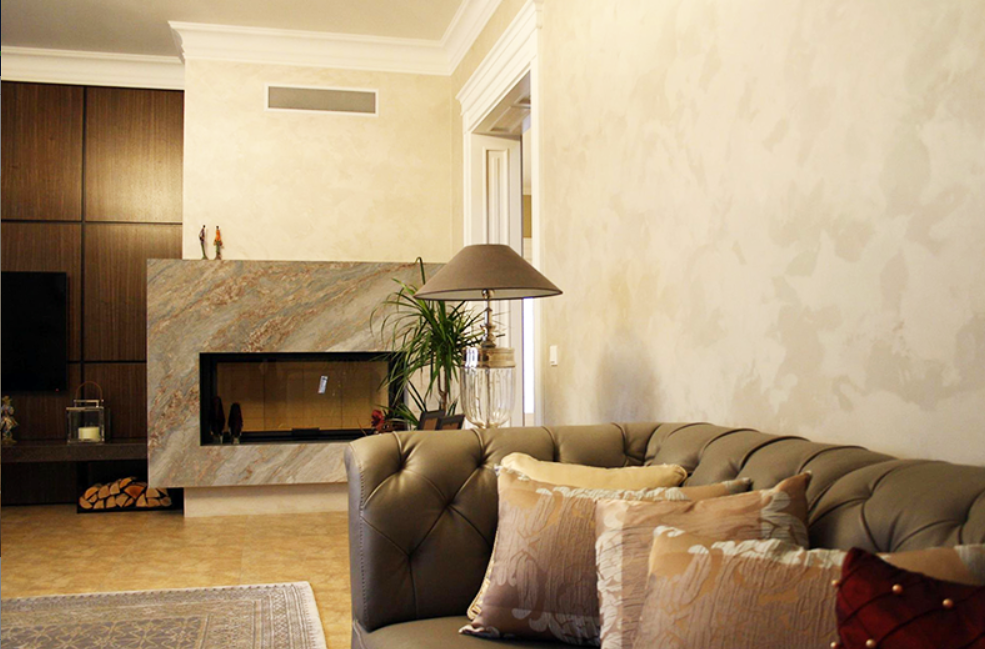
- Smooth Venetian plaster effect: Requires fine sanding and multiple thin coats
- Heavy texture: Use textured acrylic wall paint for interior feature walls with aggregate
- Light stipple: Roll and back-roll technique
Pro tip: If you're sourcing for multiple projects or export, work with OEM acrylic finish paint suppliers who can customize color and texture to your spec sheet. YUNYAN offers private label support for consistent results across jobs.
Step 2: Prepare the Substrate
This is where 80% of failures happen. A poor substrate guarantees cracking, peeling, or blotchy appearance.
Sub-steps:
- Clean the wall thoroughly — remove dust, grease, old paint flakes
- Fill all cracks and holes with acrylic filler; sand smooth when dry
- Apply one coat of acrylic primer — this seals the substrate and ensures even absorption of the decorative wall finish
- Allow primer to dry completely (4–6 hours at 20°C, longer in cool conditions)
- Sand lightly with 120-grit paper to remove any raised fibers
- Wipe down with a damp cloth and let dry
For exterior applications: Check for moisture content (below 10% using a moisture meter). Apply a weather resistant exterior facade paint primer specifically designed for your climate zone.
Step 3: Mix and Apply the Art Wall Material
Mixing:
- Open the bucket and stir thoroughly — art wall materials often settle during transport
- If using a Venetian plaster effect product, do not over-mix; air bubbles will ruin the finish
- For textured art wall applications, maintain consistent viscosity — add water only if specified by manufacturer (usually 2–5%)
Application for a textured art wall finish:
-
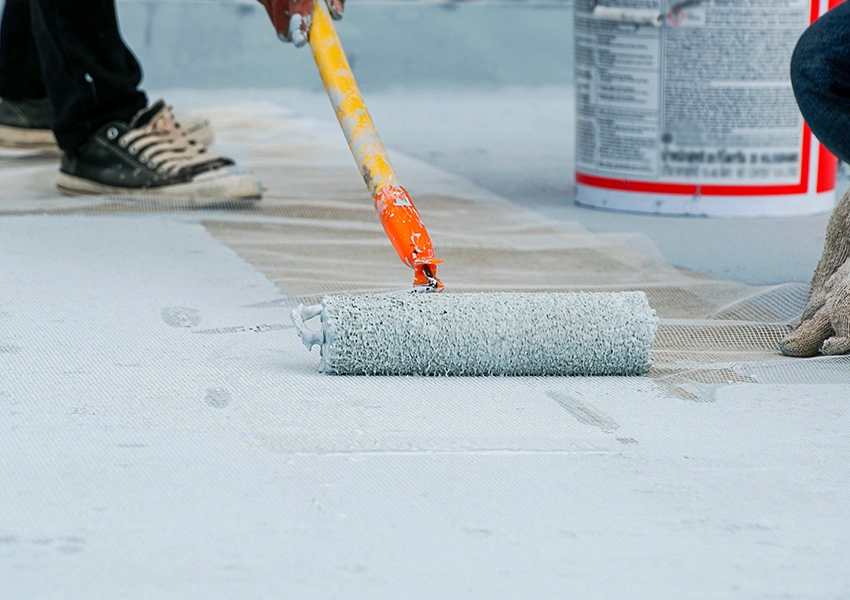
Option A: Roller technique (for uniform texture)
- Load roller evenly, apply in a W pattern
- Back-roll immediately to distribute texture
- Work in sections of 1–2 m² to maintain wet edge
-
Option B: Trowel technique (for Venetian plaster effect)
- Apply thin coat (1–2 mm) with a stainless steel trowel at 30–45° angle
- Let dry 30–60 minutes until tacky, then burnish with clean trowel
- Repeat for 2–3 coats, alternating direction for depth
Drying time: 4–6 hours between coats at 20°C. Full cure: 7 days.
Step 4: Apply Second Coat and Finish
- Lightly sand the first coat with 180-grit paper to remove any sharp peaks
- Dust off completely
- Apply second coat using the same technique — slightly thinner this time (1 mm max)
- For luxury wall finish, consider a third coat with a subtle metallic or pearl additive
- Final burnish: Once dry (12–24 hours), polish with a clean trowel for sheen
For commercial walls: Apply a clear sealer (matte or satin) to increase durability. This is critical for decorative textured paint for commercial walls in high-traffic zones.
Step 5: Curing and Maintenance
- Keep the area ventilated but avoid direct fans on the wet surface
- No washing or touching for 7 days
- After cure: Clean with soft cloth and mild soap — no abrasives
- Touch-up: Keep leftover material in sealed container; apply with same technique
Common Mistakes and How to Avoid Them
Mistake 1: Skipping the Primer
Many contractors assume the artistic wall coating will bond directly. Wrong. Unsealed drywall or concrete absorbs moisture unevenly, causing patchy color and poor adhesion.
Fix: Always prime. Use an acrylic primer matched to your decorative wall finish.
Mistake 2: Applying Too Thick in One Coat
Thick coats crack. Venetian plaster effect and textured art wall techniques require thin, multi-layer application.
Fix: Keep each coat under 2 mm. Multiple thin layers are stronger and more attractive.
Mistake 3: Ignoring Environmental Conditions
Applying low VOC decorative wall coatings in high humidity or below 10°C causes poor drying, blushing, or mildew.
Fix: Work between 15°C and 30°C with humidity below 70%. Use sustainable decorative coatings for green building that are formulated for your local climate.
Product Recommendations
For designers and contractors specifying art wall materials, the Acrylic Finish Paint from YUNYAN covers most project needs:
- Interior feature walls: Choose the standard texture grade for acrylic wall coating for high-end interiors — available in custom colors
- Exterior facades: The same base product can be formulated as exterior acrylic textured paint for facades with added UV stabilizers and water repellents
- Commercial projects: YUNYAN supports bulk procurement and OEM/private label — ideal for procurement of decorative wall coatings across multiple sites
- Green building: Formulations meet low VOCs requirements under LEED and BREEAM — a strong option for green building wall coating materials
- Contractor-grade: High build, easy troweling, and consistent batch-to-batch — designed for high performance textured paint for contractors
YUNYAN offers technical guidance on substrate preparation, application methods, and custom color matching. For large-scale or export projects, they provide packaging flexibility and sample support.
Need Technical Support?
Every project is different — different substrates, climates, and design visions. If you need help choosing the right art wall materials, custom color matching, or bulk pricing for your next project, contact the YUNYAN team.
Get expert guidance: https://www.yunyanchina.com/contact-us