
Microcement Floor: The Seamless Concrete Finish Redefining Modern Interiors
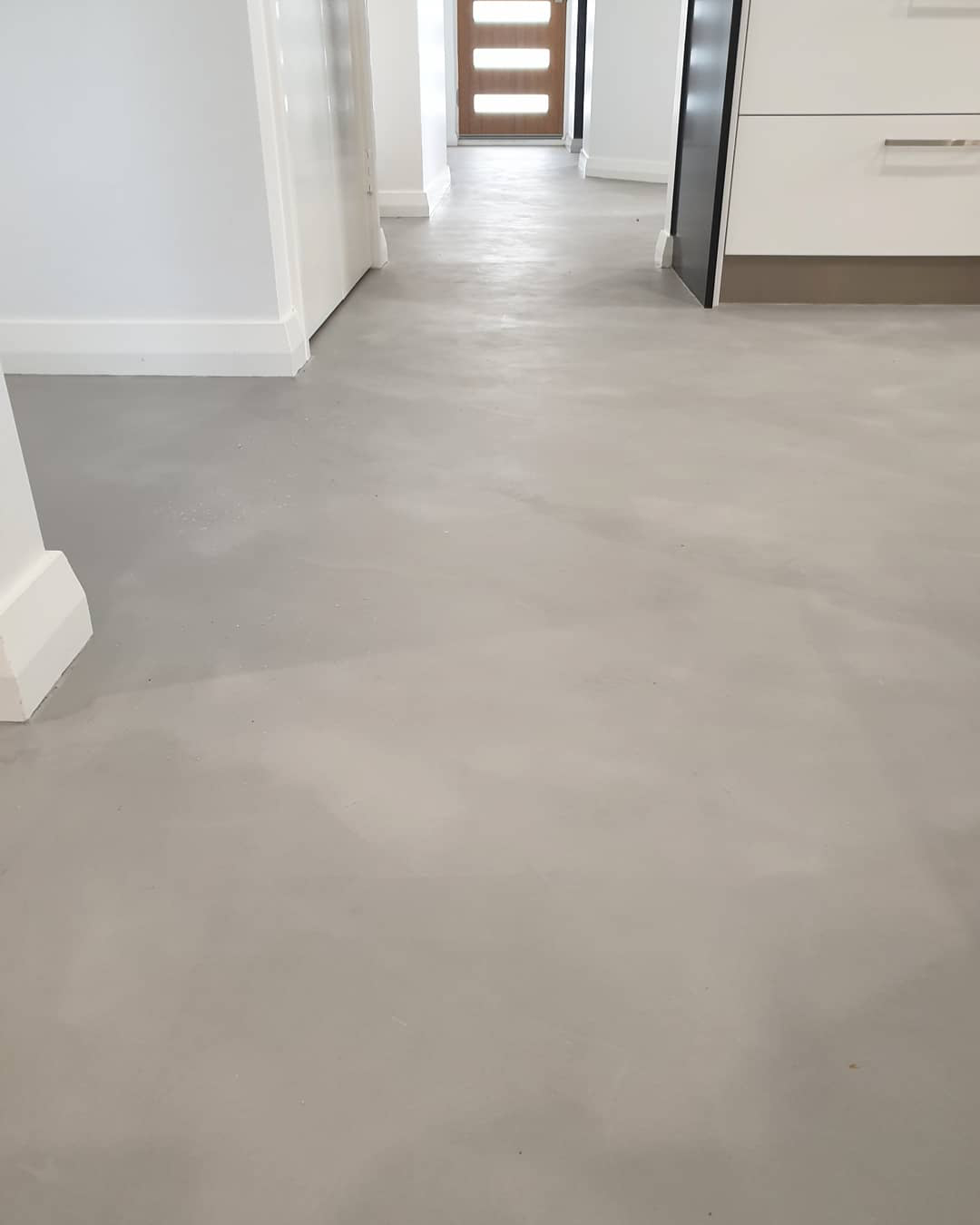
The request comes in from a client: "We want a space that feels continuous, minimal, and warm. No grout lines. No visible joints. Just one uninterrupted surface." You've heard it before—and you know that traditional tile, stone, or epoxy simply won't deliver that monolithic aesthetic without significant compromise.
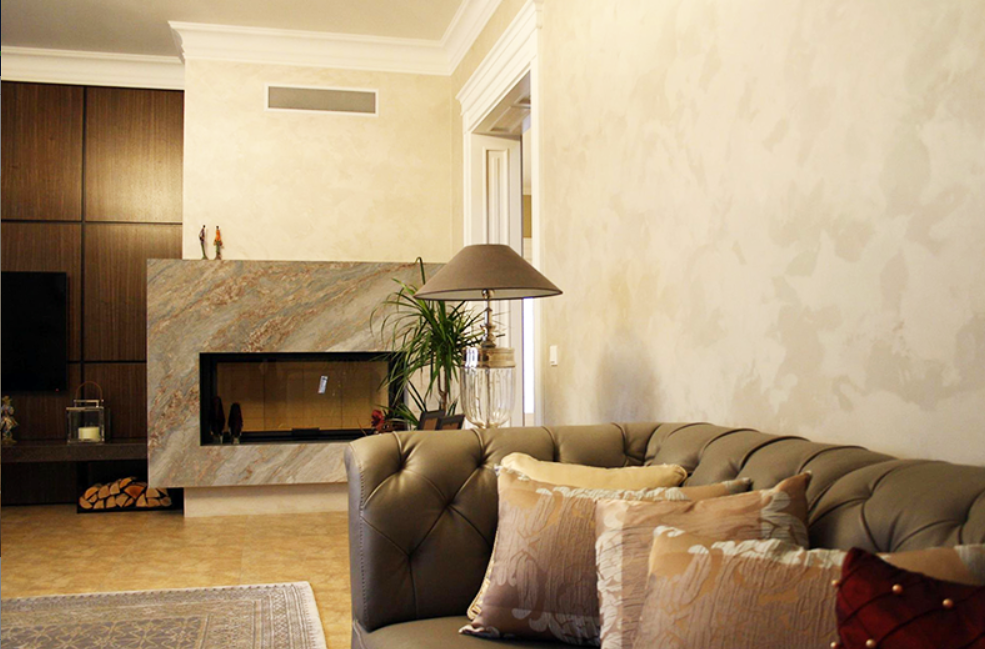
This is the hidden problem in modern specification: the demand for seamless concrete finishes is rising across hospitality, retail, and high-end residential projects, yet many contractors struggle to find a material that is both workable on-site and durable enough for high-traffic zones. The solution lies in a thin layer cement system known as microcement—a decorative microcement solution that is transforming how architects and designers approach floors, walls, and even ceilings.
The Hidden Problem: Why "Seamless" Is Harder Than It Looks
Walk into any premium hotel lobby or contemporary art gallery, and you'll notice the floor. It doesn't shout; it whispers. There are no tile patterns, no vinyl seams, no polished concrete expansion cuts. It is a single, fluid plane of color and texture. Achieving this look with traditional methods—poured concrete slabs, large-format porcelain tiles, or self-leveling compounds—presents a logistical nightmare.
Poured concrete is heavy, requires extensive curing time, and is prone to cracking. Large tiles require perfectly level substrates and still leave visible grout lines. Self-leveling compounds are brittle and lack the aesthetic depth of a true microcement floor. The result? Project delays, excessive dead load on structural slabs, and a finish that falls short of the designer's vision.
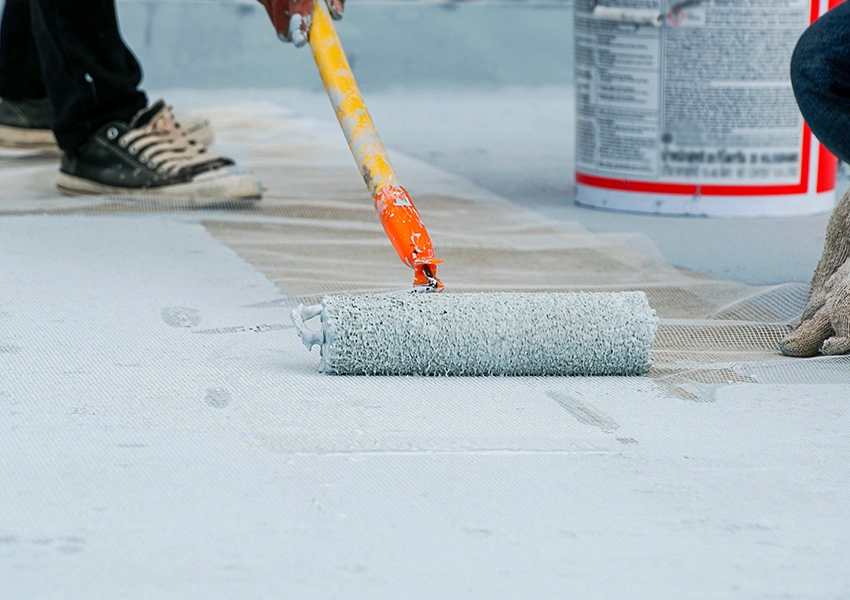
This is precisely where microcement enters the conversation. As a thin layer cement applied at 2–3 mm, it eliminates the need for demolition or thick overlays. It can be applied directly over existing tiles, concrete, or screed, making it a preferred choice for renovation projects where minimizing disruption is critical. For flooring contractors, it offers a new revenue stream without the overhead of heavy machinery. For architects, it unlocks a palette of continuous surfaces that redefine spatial perception.
Technical Science: Understanding Thin Layer Cement Performance
To specify microcement confidently, you need to understand what it is and what it isn't. Microcement is a two-component system: a polymer-modified cementitious powder mixed with liquid resins. Unlike traditional cementitious screeds, its high polymer content provides exceptional flexural strength and adhesion, allowing it to be applied in thin layers without cracking.
Component Breakdown
| Component | Function | Typical Ratio |
|---|---|---|
| Cement Binder (White/Grey) | Structural matrix, hardness | 40–50% |
| Fine Aggregates (Silica Sand) | Dimensional stability, abrasion resistance | 30–40% |
| Polymer Modifiers (Acrylic Copolymer) | Flexibility, adhesion, water resistance | 10–20% |
| Pigments & Additives | Color fastness, workability, curing control | 1–5% |
Performance Benchmarks (Based on Industry Standards)
| Property | Test Standard | Microcement Performance | Typical Requirement |
|---|---|---|---|
| Compressive Strength | EN 13892-2 | ≥ 30 MPa | ≥ 25 MPa |
| Flexural Strength | EN 196-1 | ≥ 8 MPa | ≥ 5 MPa |
| Abrasion Resistance | EN 13892-4 / ASTM C501 | ≤ 0.5 mm wear depth | ≤ 1.0 mm |
| Adhesion to Substrate | EN 1542 | ≥ 1.5 MPa | ≥ 1.0 MPa |
| Water Permeability | EN 1062-3 | Class III (Low) | Class III |
| Fire Reaction | EN 13501-1 | Class A1/A2 | Non-combustible |
| VOC Emissions | EN 16516 / ISO 16000-9 | < 100 µg/m³ | < 500 µg/m³ |
The key takeaway here is that microcement is not a cheap alternative to concrete—it is a high-performance coating system. Its water permeability is significantly lower than traditional mortar, making it suitable for wet areas when properly sealed. Its fire reaction classification ensures compliance with strict commercial building codes. For a decorative microcement finish, the pigmentation system must be UV-stable to prevent fading in sun-exposed areas.
Comparison: Traditional Polished Concrete vs. YUNYAN Microcement Solution
When a client asks for a polished cement floor, the immediate assumption might be to grind and polish a structural slab. However, this approach has significant drawbacks. Let's compare the traditional method with the YUNYAN microcement overlay approach.
| Evaluation Criteria | Traditional Polished Concrete | YUNYAN Microcement Overlay |
|---|---|---|
| Installation Thickness | 50–100 mm (structural) | 2–3 mm (surface) |
| Dead Load on Structure | 120–240 kg/m² | 4–6 kg/m² |
| Application Time | 7–14 days (grinding + polishing) | 3–5 days (full system) |
| Substrate Requirements | Must be new, defect-free slab | Can be applied over existing tiles, concrete, or screed |
| Curing Time | 28 days before polish | 5–7 days before foot traffic |
| Crack Control | Requires control joints, rebar | Polymer-modified, bridges minor substrate cracks |
| Color Consistency | Dependent on concrete mix | Factory-controlled pigment systems |
| Design Flexibility | Limited to grey tones | Unlimited colors, textures, matte/satin finishes |
| Renovation Suitability | Poor (requires demolition) | Excellent (low disruption) |
| Cost per m² (Installed) | High (labor-intensive) | Moderate (faster application) |
For a flooring contractor, the micro cement overlay offers a significant commercial advantage: you can transform an outdated, ugly tile floor into a seamless concrete finish without the dust, noise, and structural risk of demolition. For the homeowner, it means a weekend renovation instead of a month-long construction project.
Application Scenarios: Where Microcement Works Best
Microcement is not a universal solution—it requires the right substrate, the right environment, and the right application technique. Below are three concrete use cases where YUNYAN's Floor Decoration Materials category can support successful project outcomes.
Scenario 1: Hospitality Renovation (Boutique Hotel Lobby)
Challenge: A 1980s hotel lobby has dated marble tiles. The client wants a "cave-like" minimalist aesthetic with a continuous floor-to-wall finish. Downtime is limited to 5 days.
Solution: Apply a microcement floor overlay directly over the existing marble (after proper priming). Use the same microcement system on the walls to create a monolithic look. With a satin sealer, the surface achieves the desired warm, tactile feel.
YUNYAN Support: YUNYAN can provide technical guidance on priming difficult non-porous substrates like polished marble, ensuring adhesion integrity. The low thickness (2 mm) minimizes transition issues at doorways.
Scenario 2: Residential Bathroom (Wet Area)
Challenge: A homeowner wants to eliminate the visual clutter of tiles in a walk-in shower. They demand a seamless, waterproof surface that is also slip-resistant.
Solution: Use a microcement system with a specialized waterproofing membrane beneath. The topcoat is mixed with a slip-resistant aggregate. A high-performance polyurethane sealer provides the final water barrier.
YUNYAN Support: YUNYAN can advise on the appropriate sealer type (water-based vs. solvent-based) based on the specific humidity and foot traffic conditions. The flexibility of the polymer-modified system prevents cracking due to thermal expansion in heated bathroom floors.
Scenario 3: Retail Showroom (Fashion Boutique)
Challenge: A fashion brand needs a dramatic, dark-colored floor that can withstand heavy foot traffic and rolling display racks. They want a polished cement floor look but cannot tolerate the dust and noise of concrete grinding.
Solution: Apply a decorative microcement in a charcoal pigment. Use a burnished finish with a high-gloss, scratch-resistant sealer. The result is a reflective surface that enhances the lighting design of the store.
YUNYAN Support: YUNYAN's factory-controlled pigment system ensures color consistency across large areas (500+ m²), eliminating the patchy appearance common with on-site mixed concrete dyes.
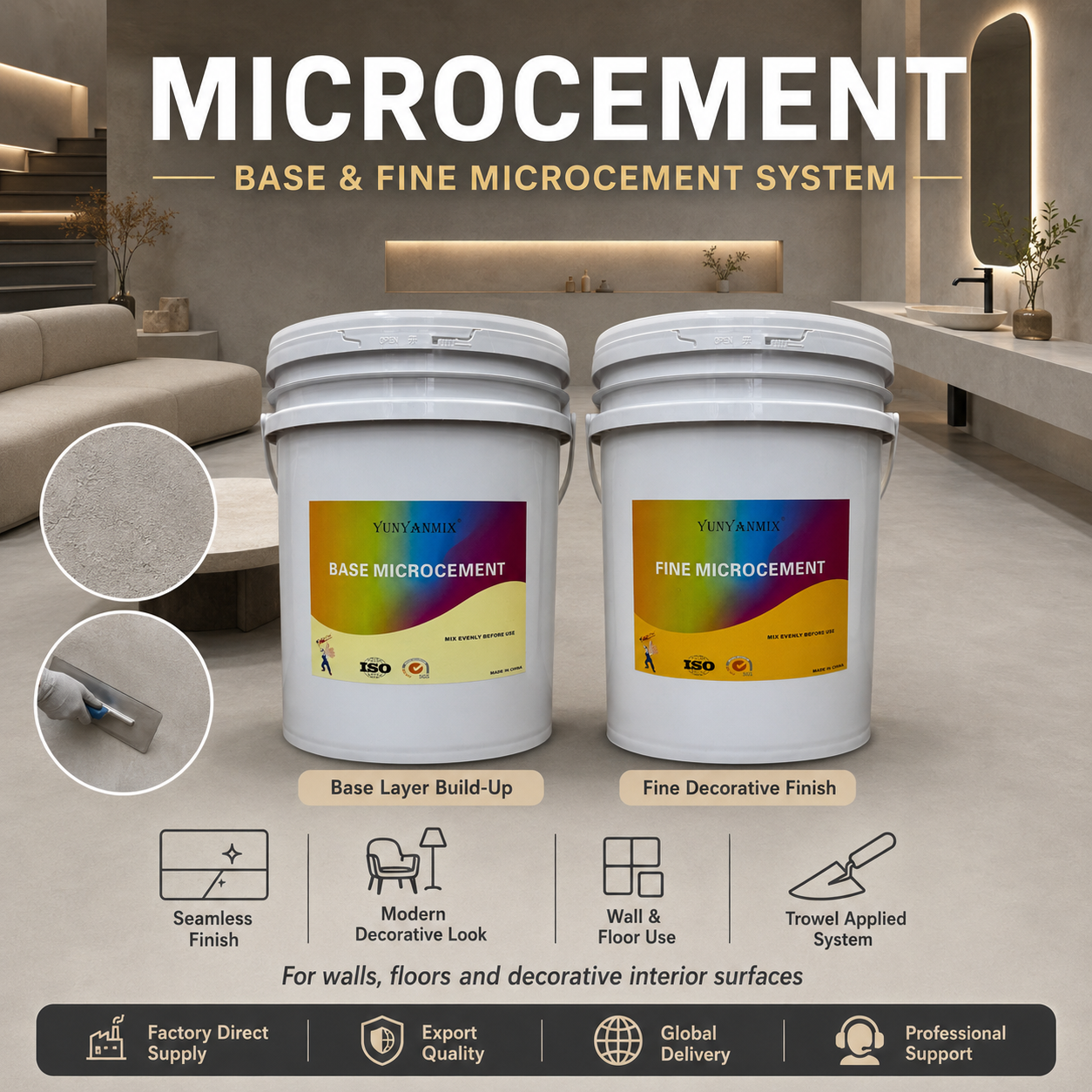
The Contractor's Checklist: 7 Steps to a Flawless Microcement Floor
Before you start, ensure you have the right conditions. Here is a practical checklist for contractors and project managers.
- Substrate Testing: Verify the base is sound, dry (moisture < 4% CM), and free of laitance. Use a pull-off test to confirm adhesion (≥ 1.0 MPa).
- Priming: Apply the correct primer for the substrate type (non-porous for tiles, porous for screed). Never skip this step.
- Crack Management: For existing cracks, use a fiberglass mesh embedded in the base coat to prevent reflective cracking.
- Material Mixing: Follow the manufacturer's ratio precisely. Over-watering will reduce strength and increase shrinkage.
- Layer Sequence: Apply a minimum of two coats—a base coat (coarser) and a top coat (finer). For high-traffic areas, consider a third coat.
- Trowel Technique: Maintain consistent pressure and direction to avoid trowel marks. Use a stainless-steel trowel for the final pass.
- Sealing Protocol: Apply two coats of sealer. For wet areas, use a specialized waterproof sealer. Allow 24 hours between coats.
OEM & Export Capabilities: Sourcing Microcement Globally
When you specify microcement, you are not just buying a powder and a liquid—you are buying a system, a guarantee of performance, and a partner for technical support. This is where sourcing from a manufacturer with export expertise matters.
YUNYAN, with over 15 years of manufacturing experience, operates a production facility designed for high-volume, consistent output. For international buyers, the company offers:
- OEM/Private Label Support: YUNYAN can produce microcement systems under your own brand name. This includes custom packaging design, color palette development, and technical datasheet creation in your local language.
- Export Packaging: Microcement powders are shipped in moisture-resistant, multi-layer kraft paper bags with PE liners, palletized and shrink-wrapped for ocean freight. Liquid components are packed in sealed drums with spill-proof caps.
- Documentation: Full compliance documentation is provided, including Material Safety Data Sheets (MSDS), Technical Data Sheets (TDS), and Certificates of Analysis (COA) for each batch.
- Quality Control: Every batch is tested for compressive strength, flexural strength, and color consistency before dispatch. Batch numbers are traceable for quality assurance.
- Sample Support: For project-specific color matching, YUNYAN can produce custom color samples (A4 size or small sealed tins) for approval before mass production.
For a distributor or contractor importing microcement, this level of support reduces the risk of specification failure and ensures that the product you receive is the product you tested.
Why Choose YUNYAN: A Partner for Seamless Success
Choosing a supplier for a specialized material like microcement is a decision based on trust, technical capability, and logistical reliability. Here is why YUNYAN is positioned as a strategic partner for architects, contractors, and distributors worldwide.
- 15+ Years of Manufacturing Expertise: YUNYAN has been producing and exporting chemical building materials for over a decade and a half. This longevity is a testament to consistent quality and customer satisfaction.
- Serving 60+ Global Markets: From humid Southeast Asian climates to freezing European winters, YUNYAN products have been installed in diverse environmental conditions. This global experience informs product formulation and technical advice.
- ISO 9001:2015 Certified Production: The manufacturing facility operates under a certified Quality Management System, ensuring that every batch meets stringent international standards. This certification is your assurance of process control and traceability.
- In-House R&D: YUNYAN's laboratory is not just for quality control; it is a center for innovation. The team continuously tests new polymer formulations and additive packages to improve flexibility, curing speed, and environmental resistance.
- Technical Consultation: You are not buying a bag of powder; you are buying access to a technical team that can help you troubleshoot substrate issues, advise on sealer selection, and refine application techniques for your specific project.
When you specify a microcement floor, you are specifying an experience—a surface that must feel solid underfoot, look luminous in the light, and remain flawless for years. YUNYAN's Floor Decoration Materials are designed to deliver that experience, supported by the logistics and expertise to get the product to your site, anywhere in the world.
Conclusion: Seize the Seamless Opportunity
The shift toward sustainable construction and minimal aesthetics is not a trend; it is a structural change in how we design spaces. Microcement sits at the intersection of these movements—it is a low-waste, low-VOC, high-performance material that enables the seamless concrete finish that modern clients demand.
For the interior designer, it unlocks creativity. For the flooring contractor, it unlocks profitability. For the architect, it unlocks a new language of form and continuity. The only remaining question is sourcing a partner who understands the technical nuances and can deliver consistently.
Explore the full range of YUNYAN Floor Decoration Materials to see how microcement can elevate your next project. For project-specific technical consultation or to request samples, contact the YUNYAN team today. The seamless surface you envision is closer than you think—it is just 3 millimeters away.