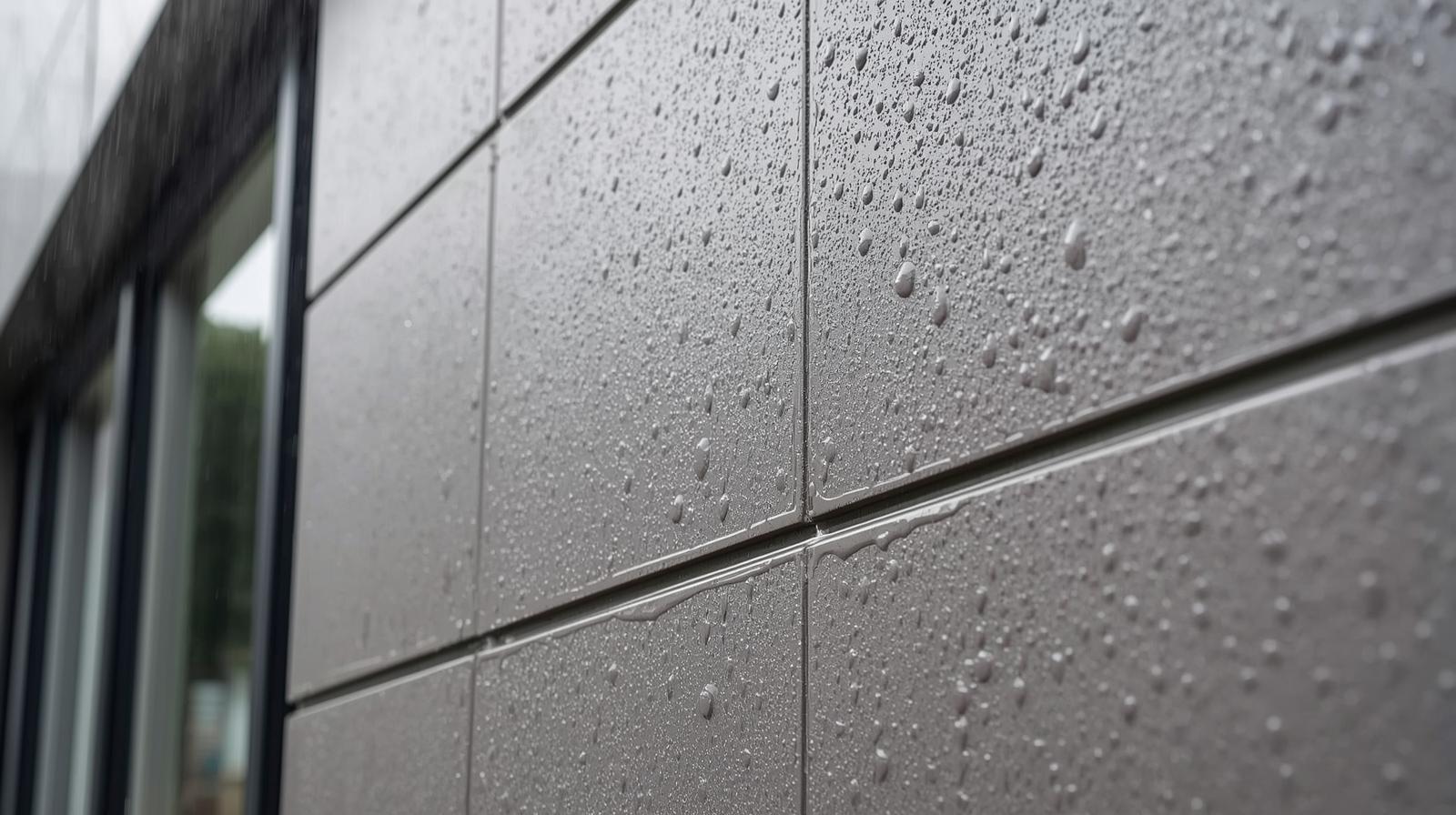

PU Top Coat: The Smart Choice for High-Performance, Low-Maintenance Flooring
If you’ve spent years specifying or installing floor coatings, you’ve likely seen the same problems repeat themselves: peeling, yellowing under sunlight, chemical damage in kitchens, or constant re-coating in warehouses. The decision between a PU top coat and other finishes isn’t just about appearance—it’s about long-term performance, maintenance costs, and client satisfaction.
A PU top coat (polyurethane sealer) delivers a tough, flexible, and UV-stable surface that outperforms many conventional options, especially in demanding commercial and industrial environments. Whether you're a contractor looking for fewer callbacks, an architect specifying sustainable finishes, or a distributor sourcing reliable export-grade materials, understanding PU top coat technology can save you time, money, and rework.
What Makes PU Top Coat Different?
Unlike epoxy-based finishes that can chalk or yellow under UV exposure, a quality PU top coat maintains its clarity and gloss. It cures to a hard yet slightly flexible film that resists abrasion, impact, and thermal cycling. For flooring contractors, this means fewer failures at joints and edges. For end users, it means a low maintenance PU top coat for warehouses that can handle forklift traffic without frequent reapplication.
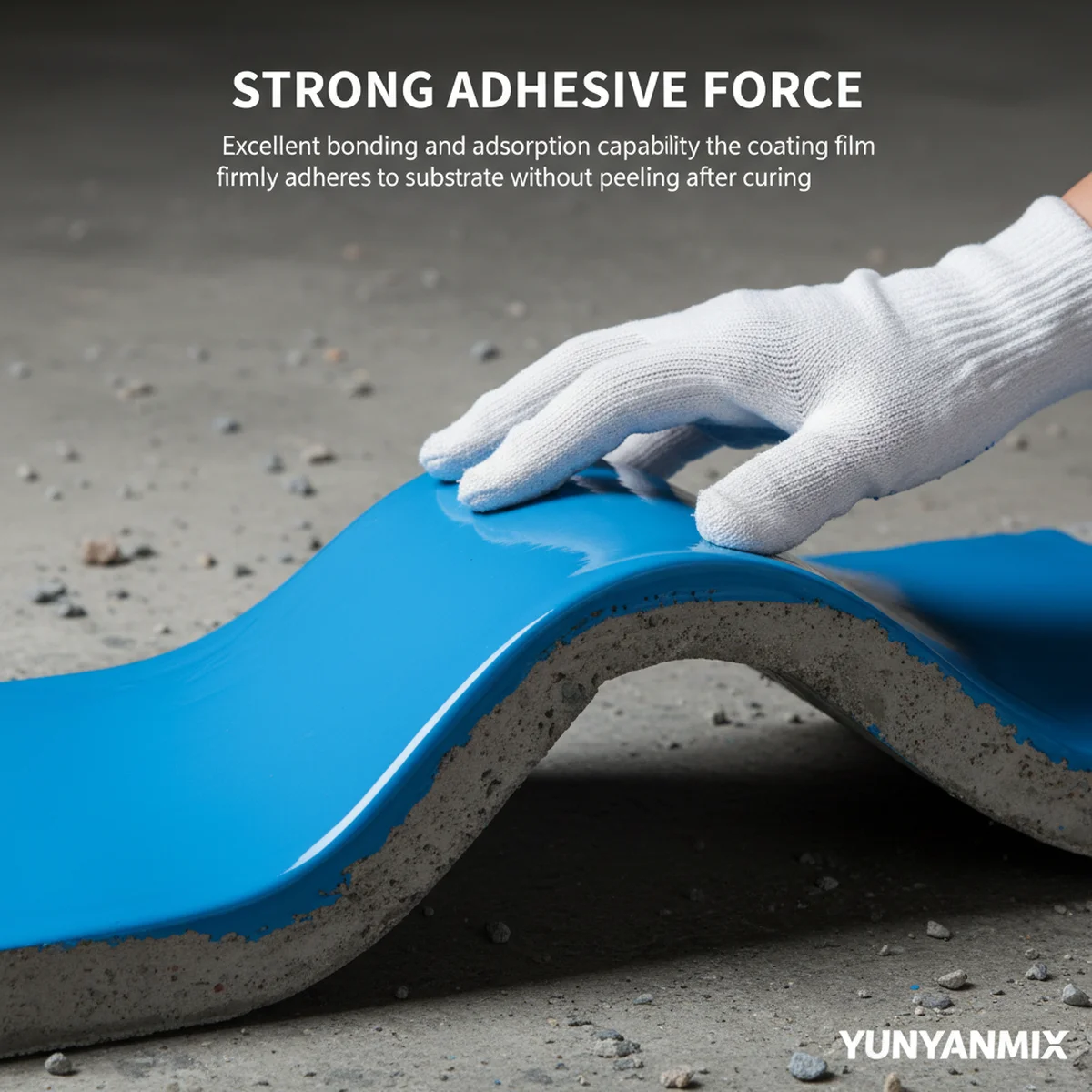
YUNYAN’s floor decoration materials category includes polyurethane sealer systems designed for concrete, epoxy, and polished surfaces. While we don't have a specific SKU to name, our product range covers the performance criteria that matter most: adhesion, hardness, chemical resistance, and application ease.
Key Features of a Reliable PU Top Coat
- High gloss and UV stability – A high gloss floor sealer that resists yellowing, even in sunlit showrooms or glass-walled lobbies. Unlike standard epoxies, a UV resistant top coat keeps its clarity for years.
- Abrasion and impact resistance – An abrasion resistant coating that withstands pallet jacks, steel wheels, and heavy foot traffic. This is critical for PU top coat for commercial floors where downtime for repairs means lost revenue.
- Chemical and stain protection – Ideal for PU top coat for industrial kitchens, where grease, acids, and cleaning chemicals are daily realities. A polyurethane sealer forms a non-porous barrier that resists penetration.
- Self-leveling and easy application – Avoid self-leveling PU top coat installation problems by choosing a system with proper pot life, flow characteristics, and recoat windows. YUNYAN can support with technical guidance for contractors.
Technical Specifications (Typical Performance Data)
| Property | Value | Standard |
|---|---|---|
| Gloss Level (60°) | 85-95 units (high gloss) | ASTM D523 |
| Abrasion Resistance (Taber CS-17, 1000 cycles) | < 80 mg weight loss | ASTM D4060 |
| Hardness (Shore D) | 75-82 | ASTM D2240 |
| Chemical Resistance (10% H₂SO₄, 24 hrs) | No staining, no softening | ASTM D1308 |
| UV Resistance (QUV 1000 hrs) | ΔE < 2.0 (minimal yellowing) | ASTM G154 |
| Pot Life (25°C) | 20-30 minutes | Manufacturer data |
| VOC Content | < 100 g/L (low VOC) | EU Directive 2004/42/EC |
| Slip Resistance (wet pendulum) | 45-55 BPN (low to moderate slip) | EN 13036-4 |
Note: These are representative values for quality PU top coat systems. Actual performance depends on substrate preparation, mixing ratio, and environmental conditions.
=
Typical Applications
1. Commercial Warehouses and Distribution Centers
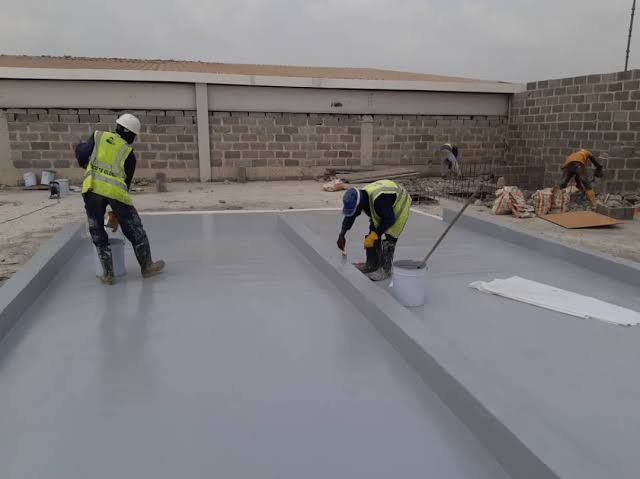
PU top coat for high traffic areas like aisles, loading docks, and storage zones. An abrasion resistant coating prevents dusting and wear, while the low maintenance PU top coat for warehouses reduces cleaning and recoating frequency. Contractors appreciate the faster return-to-service time compared to epoxy systems.
2. Industrial Kitchens and Food Processing
A PU top coat for industrial kitchens must resist hot water, grease, and acidic spills. The polyurethane sealer provides a seamless, non-porous surface that meets hygiene standards. Architects specify this for its combination of chemical resistance and slip performance (typically 45-55 BPN wet).
3. Hospitals and Healthcare Facilities
A low VOC polyurethane top coat for hospitals supports indoor air quality requirements during application and after curing. The high gloss floor sealer reflects light, improving visibility and reducing shadowing in corridors. YUNYAN can assist with documentation for LEED or BREEAM compliance.
4. Polished Concrete and Epoxy Overcoats
Contractors often ask how to apply PU top coat on epoxy to add UV protection and abrasion resistance. The answer is surface profiling and proper adhesion testing. A PU top coat for polished concrete enhances the natural stone look while adding a durable, stain-resistant wear layer.
Buyer’s Checklist for Contractors and Specifiers
Before purchasing a PU top coat, consider these practical factors:
- Substrate condition – Is the concrete dry (moisture < 4% per ASTM F2170)? Are there cracks or curing compound residues? YUNYAN can recommend surface prep steps.
- Traffic and exposure – Define the expected traffic type (pedestrian, forklift, steel wheels) and chemical exposure. This determines required film thickness and gloss level.
- Application conditions – Ambient temperature (15-30°C recommended), humidity (< 75%), and ventilation matter. Avoid self-leveling PU top coat installation problems by following the manufacturer’s recoat window.
- Slip resistance requirements – For wet areas, specify a PU top coat slip resistance rating of ≥ 45 BPN wet. Add anti-slip aggregates if needed.
- Sustainability goals – Look for low VOC polyurethane top coat for hospitals or sustainable PU floor coating systems with low embodied carbon. YUNYAN can support with eco-friendly formulations.
- Export and compliance – For PU top coat for export to Europe, verify CE marking and REACH compliance. YUNYAN supports OEM PU floor coating suppliers with documentation and packaging options.
Sustainable and Low-Maintenance Advantages
Modern PU top coat systems align with sustainable construction trends. They extend floor life, reduce the need for stripping and recoating, and lower total VOC emissions over the floor’s lifecycle. A low maintenance PU top coat for warehouses means less chemical stripping, less waste, and less downtime—benefits that resonate with facility managers and green building certifiers.
For export and OEM procurement, YUNYAN offers private labeling, custom packaging, and technical datasheets in multiple languages. Whether you need a PU top coat for polished concrete or an abrasion resistant coating for heavy industry, our category can be tailored to your project specs.
Packaging & Ordering
- Pack sizes: Standard 5L, 20L, and 200L kits (base + hardener)
- Minimum order: Contact YUNYAN for MOQ details based on your region and volume
- Lead time: Typically 7-15 working days for stock items; custom formulations may require 20-30 days
- Sample support: Yes, YUNYAN provides samples for testing and approval
Get Your PU Top Coat Solution
Ready to specify, source, or compare? YUNYAN supports contractors and distributors with technical data, application guidance, and flexible OEM options. Whether you’re comparing PU top coat vs epoxy durability or need a UV resistant top coat for a sunlit atrium, we can help.
Contact YUNYAN for samples, technical datasheets, or a project consultation.