
Understanding Acrylic Primers: The Versatile Water-Based Option
Acrylic primers, also known as latex primers, are water-based and have gained immense popularity due to their ease of use and environmental friendliness. Key `acrylic primer characteristics` include low odor, low levels of volatile organic compounds (VOCs), and fast drying times, often ready for a topcoat in just an hour. They are highly flexible, which means they can expand and contract with the surface, making them resistant to cracking and peeling, especially on materials like wood or drywall that experience temperature fluctuations. `Acrylic primer compatibility` is generally excellent with both acrylic (latex) and some oil-based topcoats, though it's always best to check manufacturer recommendations. They provide good adhesion to a variety of surfaces including drywall, plaster, softwood, masonry, and even some plastics. Many acrylic primers are available in different finishes, including a `matte acrylic primer` which can help to hide minor surface imperfections and provide a good base for matte topcoats.
Exploring Oil-Based Primers: The Traditional Powerhouse
Oil-based primers, sometimes referred to as alkyd primers, have long been the go-to choice for challenging surfaces and situations requiring superior stain blocking. These primers are known for their exceptional adhesion and ability to seal porous surfaces effectively. They are particularly renowned for their stain-blocking capabilities, preventing bleed-through from substances like tannins in wood (e.g., cedar or redwood), nicotine, water stains, and ink. Oil-based primers dry to a harder, more durable film than acrylics, offering excellent enamel holdout, which means they create a smooth, non-porous surface ideal for glossy topcoats. However, they typically have a strong odor, higher VOC content, and require longer drying times, often needing 24 hours before a topcoat can be applied. Clean-up also requires mineral spirits or paint thinner, unlike the simple soap and water clean-up for acrylics.
Key Differences: A Comparative Look
When directly comparing acrylic and oil-based primers, several factors stand out. Acrylic primers are water-based, offering faster drying, lower odor, and easier cleanup. They are more flexible and less prone to becoming brittle over time. Oil-based primers are solvent-based, providing superior stain blocking, exceptional adhesion to difficult surfaces (like glossy existing paint or metal), and create a harder finish. For interior walls, especially new drywall, an acrylic primer is often sufficient and more user-friendly. However, if you're dealing with heavy stains, woods prone to tannin bleed, or painting over old oil-based paint, an oil primer usually performs better. The choice often hinges on the specific substrate, the environmental conditions, and the desired outcome of the paint job.
Application Wisdom and DIY Suitability
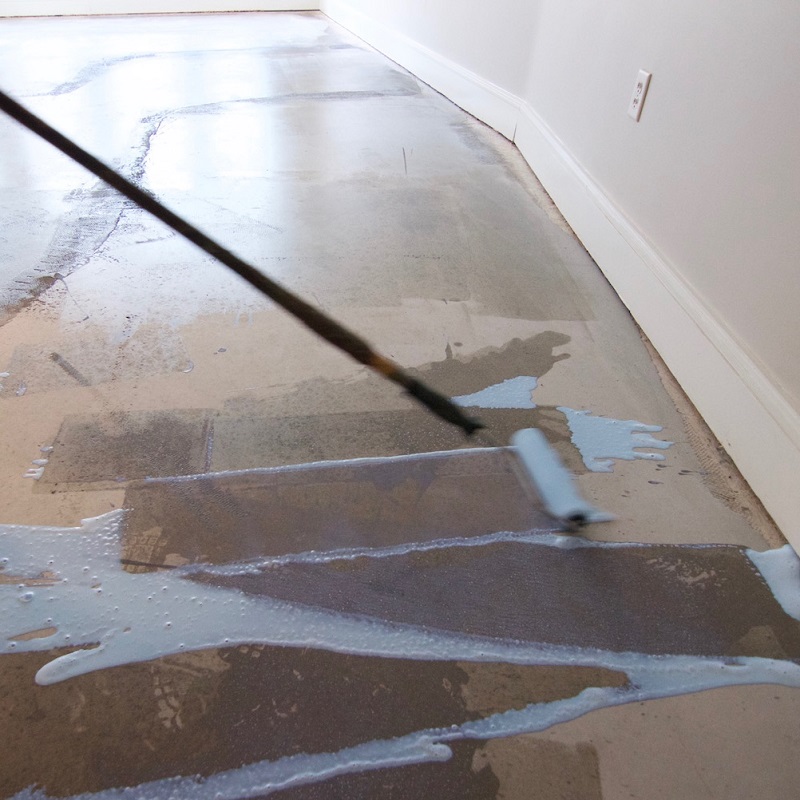
Proper application is crucial for any primer to perform optimally. For instance, `acrylic primer application tips` often emphasize cleaning the surface thoroughly and applying a thin, even coat. Because of their ease of use, quick drying time, and water cleanup, acrylic primers are often favored for `DIY acrylic primer` projects. They are more forgiving for beginners. Surface preparation is always key: surfaces should be clean, dry, and free of dust or grease regardless of the primer type. When using oil-based primers, ensure adequate ventilation due to the stronger fumes and longer drying period. Always read the manufacturer's instructions for specific guidance on application methods, temperature, and humidity conditions for optimal results. Consulting these instructions will ensure proper `acrylic primer compatibility` with your chosen topcoat and substrate.
Choosing the Right Primer and Where to Find It
Ultimately, the best primer for your project depends on the surface you're painting, the conditions it will be exposed to, and the type of paint you plan to use as a topcoat. For general interior painting on drywall or plaster, an acrylic primer is usually a great choice. For exterior wood, surfaces with stubborn stains, or when transitioning from an oil-based paint, an oil primer might be necessary. Researching specific `acrylic primer characteristics` from different brands can also help you find one tailored to your needs, such as those offering enhanced mildew resistance or a specific finish like a `matte acrylic primer`. Many hardware stores and paint specialty shops offer a wide selection, and you can also conveniently `buy acrylic primer online`, allowing you to compare products and prices from the comfort of your home.
Final Thoughts on Primer Selection
Making an informed decision between acrylic primer vs oil primer can significantly impact the longevity and appearance of your paintwork. While acrylic primers offer convenience, low VOCs, and flexibility, oil-based primers provide robust stain blocking and adhesion for more demanding applications. By considering the substrate, environmental factors, and your project goals, you can select the primer that will provide the perfect foundation for a beautiful and durable finish. Taking the time to choose and apply the correct primer is an investment that pays off in the quality of the final result. Don't underestimate the power of this preparatory step in your painting endeavors.