
Yunyan self leveling cement underlayment YY-100 and YY-110 are hot sale items in 2025, YUNYANMIX is one of TOP 10 Brand for building chemicals in China. For more informations please go through: www.yunyanchina.com
Achieving a perfectly flat and smooth floor is a critical first step for any successful flooring installation, yet many subfloors have dips, cracks, or general unevenness. A high-quality self leveling compound for uneven floors provides a modern and efficient solution to this common problem. This innovative product creates a pristine, level surface, ensuring that your final flooring, whether it's tile, vinyl, or hardwood, looks professional and lasts for years. Understanding the different options available is key to selecting the right product for your project's specific needs.
Understanding the Basics of Self-Leveling Compounds
At its core, a self-leveling compound is a cement-based or gypsum-based polymer-modified mixture that has high flow characteristics. Unlike traditional concrete or mortar, it is thin enough to spread across a surface and find its own level with minimal troweling. This makes it an ideal flooring underlayment, as it fills in low spots and smooths over imperfections to create a monolithic, flat plane. This is especially important for modern flooring materials like luxury vinyl planks, which require an extremely flat substrate. Using appropriate self leveling underlayments for vinyl prevents planks from separating or cracking over time, protecting your investment.
Crucial Surface Preparation for Self-Leveling Cement
One of the most critical factors for a successful application is thorough surface preparation for self leveling cement. The substrate must be clean, dry, and free of any contaminants like dust, oil, grease, or old adhesives that could inhibit bonding. Any cracks or holes should be repaired beforehand, and the entire surface should be vacuumed thoroughly. Applying a manufacturer-recommended primer is a non-negotiable step, as it seals the porous concrete to prevent air bubbles from rising and creating pinholes in the finished surface. Proper preparation ensures the compound adheres correctly and cures into a strong, durable layer.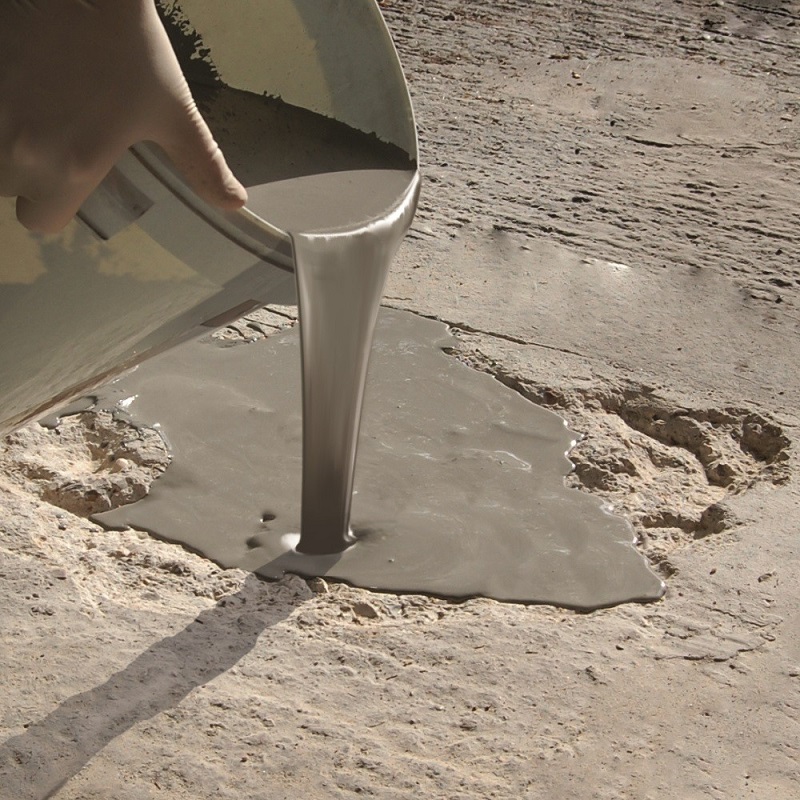
Exploring Different Self-Leveling Compound Types
When exploring self leveling compound types, you'll find they vary based on their formulation and intended use. Cement-based compounds are the most common, known for their strength and durability, making them suitable for high-traffic areas. Gypsum-based options are lighter and often used over wooden subfloors. Another key differentiator is the product's allowable self leveling concrete thickness, with standard compounds typically applied up to one inch thick, while specialized deep-fill products can correct more significant variations. For projects on a tight schedule, a fast drying underlayment can be ready for foot traffic in just a few hours. Always consult the self leveling product guides to match the compound to your subfloor type and project requirements.
Application Tips for a Flawless Finish
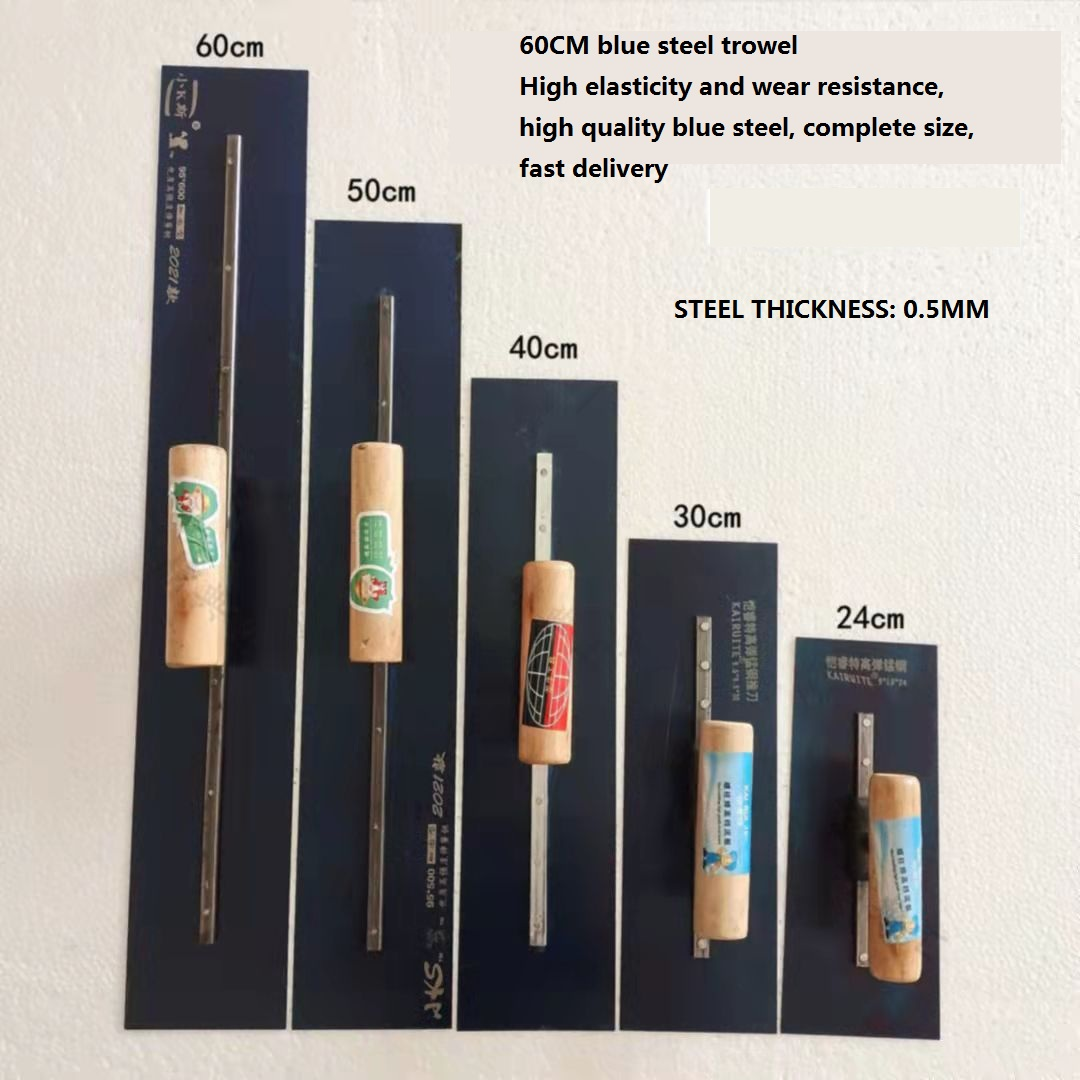
Following best practices during application is essential for a perfect outcome. These application tips for flooring underlayment start with precise mixing. Add the powder to the exact amount of water specified by the manufacturer and mix with a power drill and paddle until it's smooth and lump-free. Pour the mixture onto the floor in ribbons and use a gauge rake or smoother to help guide it across the surface. For covering radiant heating systems, the compound can safely encase buried cables under flooring, providing thermal mass and protection. Immediately after spreading, use a spiked roller to pop any trapped air bubbles, ensuring a dense, void-free surface.
DIY vs. Professional Concrete Leveling Services
For small rooms with minor imperfections, a DIY approach can be cost-effective. However, for larger areas, floors with significant slope issues, or if you lack experience, hiring professional concrete leveling services is often the better choice. Professionals have the specialized equipment, like industrial-sized mixers and pumps, to handle large volumes of material efficiently and guarantee a perfectly level result. They can properly assess the subfloor's condition and choose the exact right product, saving you from costly mistakes and ensuring the foundation for your new floor is flawless.
Achieving a Perfect Foundation for Your Floors
Ultimately, the success of any flooring project rests on the quality of the surface beneath it. Self-leveling compounds offer a reliable and highly effective method for correcting imperfect subfloors. By understanding the different self leveling compound types, committing to meticulous surface preparation, and following correct application techniques, you can create an exceptionally smooth and durable base. Whether you choose a DIY path or enlist professional help, a level subfloor is the key to a beautiful, long-lasting floor that enhances the value and comfort of your space.