
How Waterproofing Slurry Manufacturers Reinforce Building Protection from the Inside Out
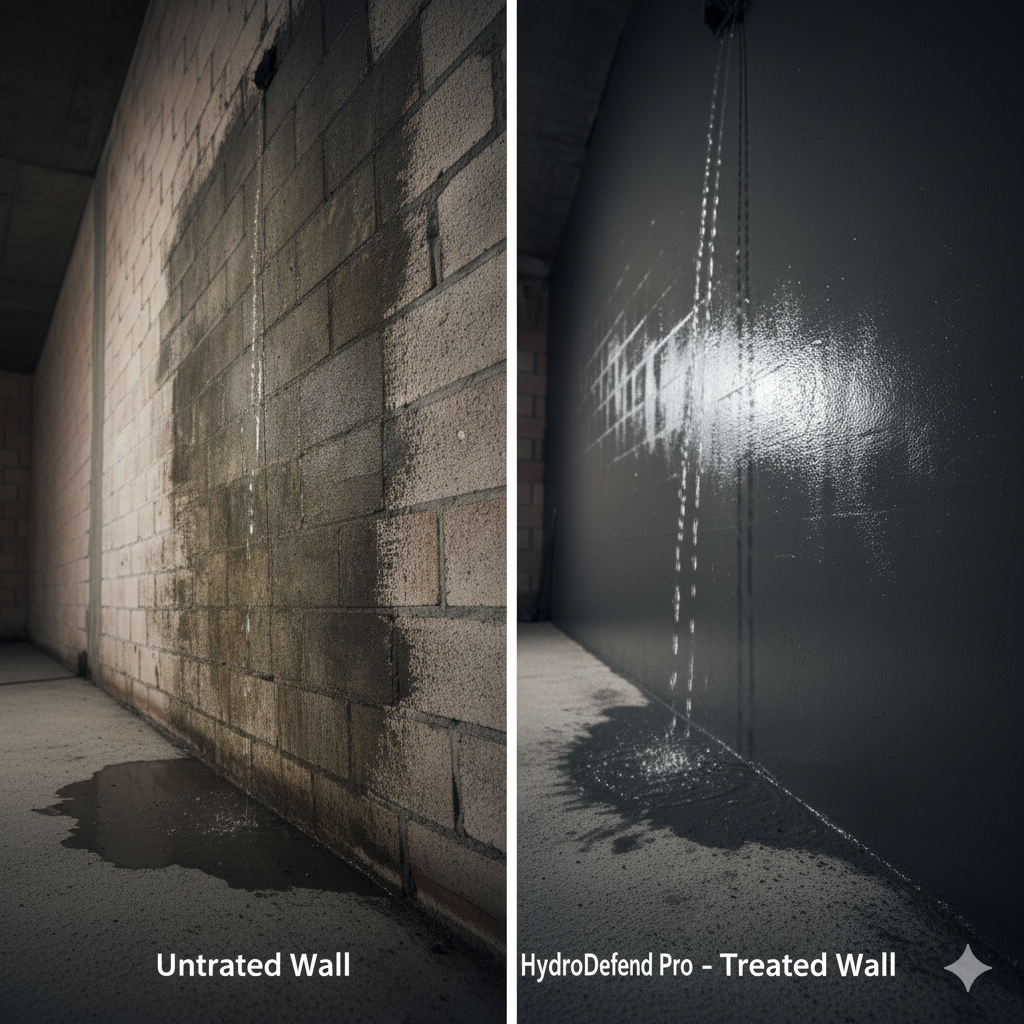
When water finds its way through concrete, it doesn’t just dampen the surface—it compromises structural integrity. Cracks widen, steel reinforcement corrodes, and waterproof layers fail over time.
That’s where waterproofing slurry comes in: a cementitious coating engineered to block water ingress while allowing the substrate to breathe.
Modern waterproofing slurry manufacturers, like YUNYAN, design their systems with polymer science, adhesion technology, and industrial testing to ensure each surface remains sealed against pressure, moisture, and environmental stress.
1. Why Traditional Waterproofing Fails Over Time
Conventional waterproof coatings—like bitumen or thin acrylic membranes—struggle to handle structural movement and long-term hydrostatic pressure.
Common failure causes include:
-
Rigid films that crack when the substrate moves
-
Low adhesion between layers, leading to peeling
-
Poor vapor permeability, causing trapped moisture and blistering
-
UV degradation on exposed surfaces
-
Insufficient thickness during manual application
Once micro-cracks appear, water infiltration accelerates corrosion and weakens the entire building envelope.
2. Inside the Science of Waterproofing Slurry
Waterproofing slurry isn’t paint—it’s a cement-polymer hybrid that forms a crystalline and flexible barrier within the concrete’s pores.
The mixture reacts chemically with free lime and moisture, generating insoluble compounds that seal pathways for water.
Key Material Components
| Ingredient | Function | Benefit |
|---|---|---|
| Cementitious Binder | Forms crystalline structure | Fills microcracks and pores |
| Polymer Modifier | Provides elasticity | Resists thermal expansion and vibration |
| Silica & Quartz Fillers | Strengthens film layer | Increases abrasion resistance |
| Hydrophobic Additives | Repel surface moisture | Long-term water resistance |
| Fiber Reinforcement | Structural stability | Reduces shrinkage cracks |
This combination allows slurry coatings to maintain a continuous waterproof membrane, even under pressure up to 1.5 MPa—as verified in ASTM C580 and EN 14891 tests.
3. How Professional Manufacturers Ensure Quality
A true waterproofing slurry manufacturer isn’t just mixing materials—it’s performing controlled chemistry under precision standards.
Key factory processes include:
-
Batch-controlled polymer blending to ensure flexibility consistency.
-
Curing simulation tests replicating humidity and temperature cycles.
-
Adhesion pull-off testing (≥1.0 MPa) according to EN ISO 4624.
-
Water permeability tests confirming <0.1 kg/m²·h absorption rate.
-
UV aging resistance testing for exterior applications.
Each batch is labeled and traceable, guaranteeing identical performance whether applied in basements or rooftops.
4. Comparing Cementitious vs. Polymer-Based Waterproofing Systems
| Property | Cementitious Slurry | Polymer-Based Coating |
|---|---|---|
| Base Material | Cement + Polymer | Pure synthetic resin |
| Crack Bridging | Medium to High | Very high |
| UV Resistance | Moderate | Excellent |
| Permeability | Breathable | Low |
| Cost Efficiency | High | Moderate |
| Typical Use | Basement, water tank, wall | Roof, exposed areas |
For long-term structural waterproofing—especially where surfaces are in contact with soil or constant moisture—the cementitious slurry remains the most durable and economical solution.
5. Real-World Applications of Waterproofing Slurry
Basements and Foundations
Prevents capillary water rise and ground moisture penetration.
Water Tanks and Pools
Safe for potable water use when compliant with EN 1504-2 hygiene standards.
Roofs and Balconies
Flexible polymer modification prevents cracking from daily temperature swings.
Tunnels and Underground Structures
Resists high hydrostatic pressure while bonding firmly to concrete substrates.
6. How to Choose the Right Waterproofing Slurry
A professional selection depends on both structure type and exposure level.
| Application | Recommended System | Key Features |
|---|---|---|
| Interior wall or floor | Single-component slurry | Easy application, good adhesion |
| Roof or balcony | Two-component slurry | Higher elasticity and UV protection |
| Underground foundation | Crystalline waterproof slurry | Self-healing microcracks |
| Water tank | Food-safe polymer slurry | Non-toxic, chemical stable |
Always check if the material meets EN 14891 or ASTM C580 requirements for tensile elongation and permeability.
Proper surface preparation and curing are equally critical for ensuring long-term durability.
7. Building Protection Starts at the Factory
What distinguishes a leading waterproofing slurry manufacturer is not just its formula—but its production philosophy:
-
Controlled moisture in polymer storage
-
Automated weighing and batch calibration
-
Real-time viscosity and density monitoring
-
Continuous R&D for better elasticity and green compliance (low VOC)
YUNYAN integrates both manufacturing and material testing within its facilities, ensuring every bag delivers predictable waterproof performance under diverse climatic and structural conditions.
Sealing the Structure Before the First Drop Falls
Waterproofing isn’t a post-construction fix—it’s a preemptive shield. The reliability of a building’s envelope depends on how its protective layers are formulated and tested long before application.
To explore more technical references and case-proven waterproofing solutions, visit YUNYAN’s official site.
For project-specific formulation, OEM cooperation, or testing data, contact our engineers via the contact page—and build waterproof protection that lasts decades, not years.